Postpartum OCD And Intrusive Thoughts: Nikki's Story
Postpartum OCD And Intrusive Thoughts: Learning To Observe The Cycle
Nikki Ilomanoski On Harm Thoughts After Birth, Metacognitive Therapy, And Training Attention.
Episode 10 | OCD Insights
Content Note This episode includes an open, educational discussion of intrusive harm thoughts involving her baby after birth. These topics are addressed with care, for the purpose of education, understanding, and hope. Listener discretion is advised.
Everyone has intrusive thoughts. So why did hers feel so different? That was Nikki Ilomanoski's question when her therapists in Perth told her group that intrusive thoughts are normal. Postpartum OCD had arrived with the birth of her first daughter and came back, "like a sleeping giant," with her second.
In this episode of OCD Insights, Samantha Bray, LCSW sits down with Nikki to talk about what postpartum OCD looked like from the inside, why a diagnosis alone did not bring relief, and the tools that helped her step out of the cycle: observing her thoughts, training her attention, and going toward what OCD told her to avoid.
Work with Samantha | All Episodes
About Nikki Ilomanoski
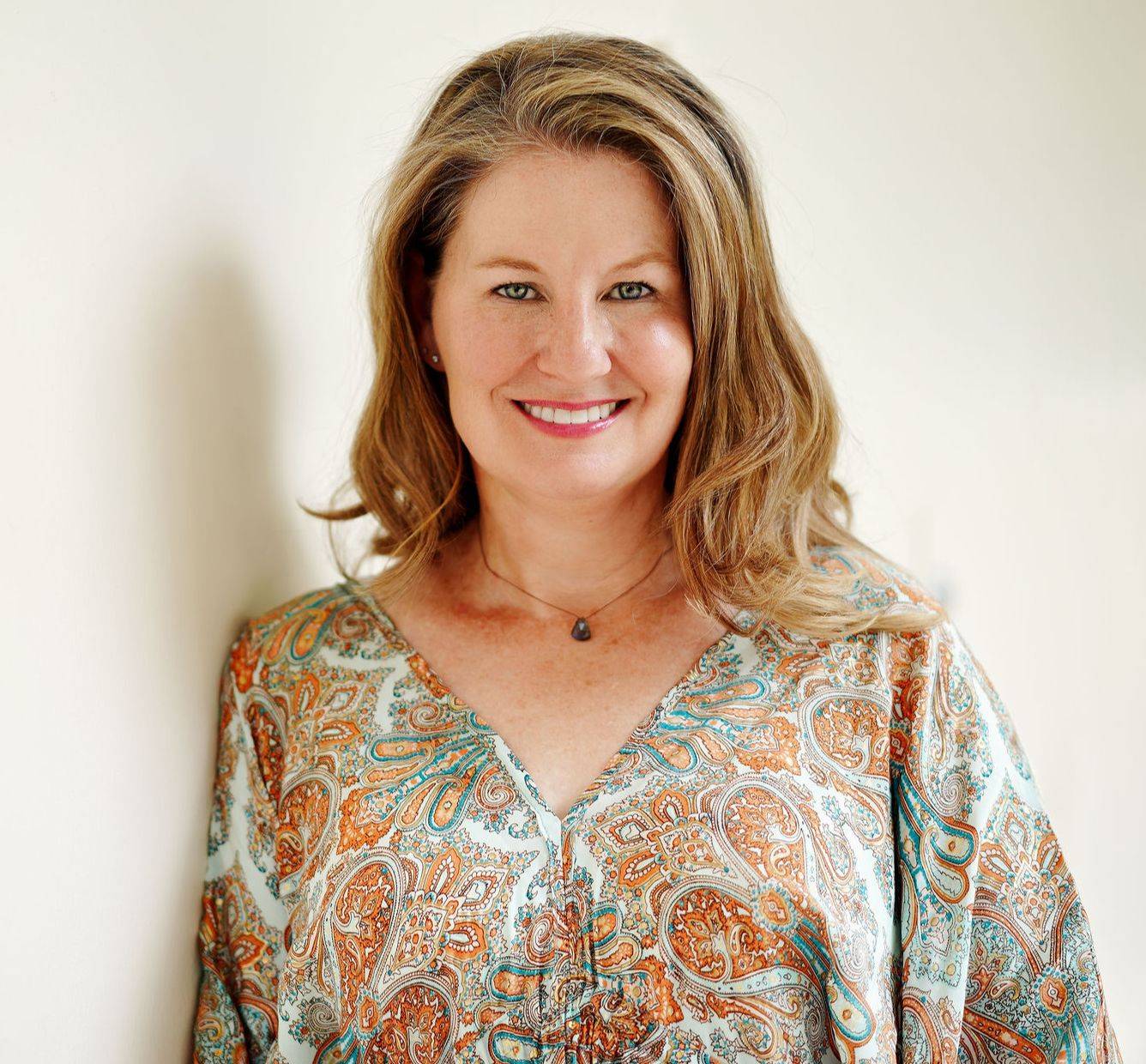
Nikki is the founder of Beyond Mind Holistic Services. She is a Lived Experience OCD Mentor and a passionate OCD advocate. As a Lived Experience OCD Mentor, she has mastered her own OCD and uses her own insight to guide mentees on their journey to treatment and through daily life. As an OCD advocate, she is passionate about raising awareness for OCD and breaking the stigma around it. She is also an Internationally Certified Reiki Practitioner, and giving clients their Reiki treatments is something she loves to give.
Episode Description
For years, Nikki's OCD lived mostly in her mind. As a teenager she lifted her feet over railway bridges and repeated phrases so harm would not come to her family. In the corporate world she checked that she had logged off her computer and set the office alarm, again and again. She was busy, and she did not see any of it as OCD.
Maternity leave changed that. Home alone with her mind, she became more aware of her thoughts, and after her first daughter was born, a thought stopped her as she walked past the bassinet: what if I suffocated her? Nikki describes the avoidance that followed, the reassurance from her husband that did not help, her fear that she might have schizophrenia, and the courage it took to see a psychologist when she feared her baby would be taken away.
When OCD returned harder after her second child, a perinatal clinic (perinatal care covers pregnancy through the first year after birth) referred her to an eight week metacognitive therapy group for mothers, run by Dr. Rebecca Anderson's program at Curtin University. There she learned the OCD cycle, practiced attention training, and took up a daily meditation that taught her, in her words, "I was no longer my thoughts." Samantha and Nikki also talk about the second arrow, why group work helped, what it took to stop seeking reassurance, how Nikki came to Reiki and peer mentoring, and why seeing an OCD specialist matters.
In This Episode, You'll Discover:
→ What OCD looked like for Nikki before anyone named it: mental checking in her teens and repeated checking at work → Why maternity leave, home alone with her mind, was when OCD gained power → How a harm thought about her newborn led to avoidance, and how she chose to hug and kiss her children every time OCD pushed her away → Why a diagnosis did not bring relief at first, and the fear of schizophrenia that came with it → The bucket exercise: everyone in the room, therapists included, has intrusive thoughts, so what makes it OCD? → The OCD cycle as her clinic taught it: the thought, the feeling, fusion, compulsions, and stop signals → Attention training: why her therapists called attention a muscle, and how she noticed the shadows on the road → Leaves on a river and the breath as an anchor, and the many other anchors in the present moment → "What we give attention to, we give power to" → The day her husband noticed she had stopped asking him for reassurance
Questions We Explore:
- What does postpartum OCD feel like from the inside? • Why can reassurance from a loving partner leave the anxiety just as loud? • What is metacognitive therapy, and how did it compare with ERP for Nikki? • How does attention training help with intrusive thoughts? • How long can it take to feel steady after treatment ends? • Why does seeing an OCD specialist matter?
Timestamps:
00:00 Everyone Has Intrusive Thoughts
01:23 Mental Checking In Her Teens And Corporate Years
03:54 Maternity Leave, Alone With Her Mind
07:21 "What If I Suffocated Her?" Harm Thoughts After Birth
11:00 Getting Diagnosed, And The Fear Of Losing Her Baby
17:41 A Second Baby, And OCD Returns Like A Sleeping Giant
20:35 Making Bottles All Day, And A Silent War Inside
25:19 Back To The Perinatal Clinic, And Defending Her Thoughts
32:10 An OCD Clinic, And Metacognitive Therapy With Other Moms
41:57 Exposure, The Bucket Exercise, And The Second Arrow
45:05 The OCD Cycle, And Attention Training
50:04 Meditation: Leaves On A River, And Anchors Beyond The Breath
57:43 What We Give Attention To, We Give Power To
01:02:02 Mastery Took Time, And Letting Go Of Reassurance
01:07:38 Called To Reiki, And Becoming An OCD Mentor
01:18:04 Find An OCD Specialist, And Keep Looking
Therapeutic Techniques Discussed:
- Metacognitive Therapy: the eight week group program Nikki completed at a Curtin University clinic, with weekly sessions and daily homework between them.
- Exposure: writing her intrusive thought out many times a day and bringing the images to mind on purpose, which Nikki and Samantha compare with exposure and response prevention (ERP).
- Attention Training: putting full attention on ordinary tasks like washing dishes, walking, and driving, to strengthen the "attention muscle" and bring attention out of the mind and into the present moment.
- Mindfulness Meditation: watching thoughts float by on leaves on a river, and returning to the breath, or to other anchors like the feet on the floor, sounds, and smells, each time the mind wanders.
- Going Toward What OCD Says To Avoid: hugging and kissing her children when OCD urged avoidance, and staying in a shop when harm thoughts told her to leave.
- Letting Go Of Reassurance Seeking: recognizing reassurance from her husband as a compulsion, and Samantha's note on how loved ones can support without feeding OCD.
Connect With Nikki Ilomanoski:
- Instagram: @beyond_mind_holistic_services
- Facebook: Nikki Ilomanoski
Take Your Next Step
Nikki's message to anyone still searching is simple: see someone who specializes in OCD, and keep looking if you have not found them yet. If you would like help taking your next step toward a life you love, even with OCD, I would love to hear from you. Email [email protected] with the word PATH in the subject line. I will reply personally and add you to the priority interest list for the OCD Insights PATH, my new beta program. Founding members receive early access and a founding rate.
If this episode helped, please follow OCD Insights and leave a review wherever you listen. It is genuinely how this show reaches the next person who needs it.
Connect With OCD Insights
Listen and subscribe: Apple Podcasts | Spotify | YouTube
Follow: Instagram | Facebook | LinkedIn | Substack
Share Your OCD Story
There are two ways to take part in OCD Insights. You can apply to be a guest and share your OCD journey, the messy, real, human parts of it, because your story could be exactly what someone else needs to feel less alone and find hope. Or you can send in a question to be answered on the show, either written or recorded as a short voice memo. Apply to be a guest or submit your question at ocdinsights.com/asksam (voice memos can also be emailed to [email protected]).
Disclaimer: This podcast is for informational and educational purposes only and is not a substitute for therapy, clinical diagnosis, or professional mental health treatment. If you are struggling, please seek support from a qualified mental health professional.
Music licensed through PremiumBeat. "Bubble Shot" Code: QTI4W2UFPIY8CCPI "Trust Yourself" by Kevin Sherman, www.kevinstunes.com
Episode 10 of OCD Insights with host Samantha Bray, LCSW, and guest Nikki Ilomanoski, Lived Experience OCD Mentor and founder of Beyond Mind Holistic Services. Lightly edited for readability. Nikki Ilomanoski: Everyone has intrusive thoughts. They're normal to have. Everyone has them. And I used to think, well, if everyone has them, why do I feel the way I feel? well, the people that have an intrusive thought and move on with their day, they don't have OCD. But the people that have the intrusive thought and then have then go back and question it and ruminate on it, they can't let that thought go, that's OCD, Samantha Bray: Welcome to OCD Insights, where we break down the complexities of OCD with compassion, clarity, and hope. Whether you're seeking answers, support, or connection, you're not alone. So let's dive right in with our host, Samantha Bray. This is OCD Insights. Well, I so appreciate you taking time to be with me today. I'm really looking forward to hearing your story. Nikki Ilomanoski: Thank you. Thank you for having me. Appreciate that. Samantha Bray: I know curious about your OCD journey. And if you would love to share as little or as much as you're willing. I want to hear all about before your diagnosis, what led up to it, how you got diagnosed, and your journey to being an OCD advocate and your work as a Reiki practitioner. All of it. Nikki Ilomanoski: Great. Yeah. Nikki Ilomanoski: So I was actually as a teenager, I didn't really realize what I was doing at that time had any I didn't realize what I was doing was symptoms of OCD. So I even Yeah, when I was a teenager, just doing certain things like lifting up the feet when you go over a railway bridge, having to say things over and over again, so harm doesn't come to your family, that sort of thing. I didn't really put it together that something that I needed attention from a professional for. And I think I didn't do that because the anxiety then wasn't so severe that it made me think, there's something going on. so that actually happened all throughout my teenage years. I think I was doing a lot of certain things that would have pointed towards OCD, as in the compulsions, mental checking. I was doing a lot of things mentally, more than physically. So a lot of people didn't actually see what I was doing. It was all in my mind. so through the teenage years I just kept up with that kind of behaviour. and then I actually Going more into my adult years, I began working full time, that sort of thing. I was in the in the corporate world then. so my mind was very busy. So I wasn't actually being drawn into thinking, that I have an issue because I was so busy, I wasn't picking up on the anxiety and what I was actually doing was pointing towards OCD. because things like, yeah, at work, my computer, when I'd log off, I'd have to check it over and over again that I'd logged off the computer just to make sure that I had logged, logged off, keep checking another compulsion, which I didn't realise was a compulsion at the time either. Yeah, and just when I had to lock up the office, going back to check the alarm that I turned it off three, four times or turned it on, that sort of thing. I didn't realise what I was doing then. was pointing towards OCD either. So that was more of my working years. I was in the corporate world for quite a few years. Yeah, like I said, I was busy, I was a purchasing officer. So I didn't have that time on my hands to actually realise what was going on in my brain. Nikki Ilomanoski: Then after the corporate world I moved into going on to maternity leave. I'm pregnant with my first child. Beautiful, great. Always wanted to be a mum. I was so happy. Took maternity leave with the first. I had then I was at home on my own mainly because Hubby was at work. I thought maternity leave was going to be fantastic, but it wasn't what I thought it was going to be at all. Because then I was at home with myself, with my mind. And that's when OCD actually started to grow and gain more power over me because I was then, I wasn't busy, I and I was just in my own mind, really. So with the first child, what I noticed more was being in my mind. I was more aware of my thoughts. I was finding that I was interacting with my thoughts. I was finding that I was feeling more anxious inside and I didn't understand what was going on. I just thought, this is the way I am, so then throughout that time when I was I was still pregnant with my child, then it was still growing within me. I still didn't seek attention then from a mental health professional, and I didn't actually disclose Samantha Bray: Was it Nikki Ilomanoski: What was going on. Samantha Bray: Still you didn't know you had OCD at this point? Yeah. Okay. Wow. What were Nikki Ilomanoski: No, I hadn't been diagnosed at all by then. Yeah. Samantha Bray: Did the themes change at all once you had your first child? Nikki Ilomanoski: Well, with more so before being pregnant, it was more just around checking a lot of the checking, the compulsions, checking if I turned off the oven. it was more around that. But then when I found being pregnant, I still the theme still hadn't evolved and I was still just checking things and performing compulsions, things like that. And then so with the first child, when I was, then I'd moved into going into what was it then when I had birth, I gave birth to my first, and I still hadn't been looked at for how I was feeling because I hadn't brought that to anyone's attention. so I had my baby, she was beautiful, great, amazing, but then as after the birth, I became very, very anxious. as in very I when I gave birth to my child, I then didn't feel comfortable in allowing the staff to take her away from me. Because what if, what if they gave me back that wrong baby? What if she needed me? It was around that type of thing with my child. then when they so my baby didn't actually leave my site in that and when I first had her because I was very obsessed about looking after my child and I was so scared of all of the what ifs and I still didn't even know I had OCD at that point. Samantha Bray: Cash. Nikki Ilomanoski: Yeah. And then we went home with my youngest little baby. the mother goes through like she was always crying, wanting everything, feeds, the attention, and all that sort of stuff, which is very normal. But when I was at home, I was became more anxious, more within myself, and with her. And then when she actually I remember she was asleep in a bassinet as a little baby, and I remember walking past that bassinet, looking in at her and I had that intrusive thought, what if I suffocated her? And that and that was like that just that was really gut-wrenching for me. And I still didn't know I had OCD. And then that just that just exaggerated the OCD that I had. Yeah, so it was all the what ifs. it was just constant, the constant intrusive thoughts, they just kept coming. Coming, coming, coming. I couldn't stop those intrusive thoughts. More I tried to stop them, the heavier they got, the more they came in. I was terrified. I Samantha Bray: Mm-hmm. I bet. Nikki Ilomanoski: It was horrible. Yeah. And then Samantha Bray: Did you have anybody a support person you could confide in? Nikki Ilomanoski: I had my husband, he was always with me. and I actually, it took me a little bit to actually then confide in him to tell him what was going on within myself, And I said to him one day, I said, Look, I said, babe, I'm I'm scared. He goes, What's going on? And I said to him, I'm having all these intrusive thoughts about harming Isabella because she's our little baby. And he's like, but babe, you wouldn't do that. You're a great mum, you that. You just wouldn't do that. And even though he was trying to reassure me, obviously that did not help. The OCD just kept coming at me and pounding me. Yeah, it was quite yeah, it was terrible. Do you like being a new mum, dealing with all that new mum thing? And then that comes in as well. You was and then I had OCD on top of it and Samantha Bray: Sh right. It's stressful enough. Yeah. Right. Nikki Ilomanoski: Then It was terrible it was really not the best time of my life internally of what I was experiencing at that time with her. Yeah, it was really rough. Samantha Bray: Imagine that was rough. Did you find you started doing some sort of avoidance of the baby? Nikki Ilomanoski: Yeah, that's what yeah, with Isabella, I could feel my body just going to wanting to avoid. 'cause what if I harmed her? What if I harmed my baby? And that was just horrible. Yeah. It was really, really Samantha Bray: That's so painful. Nikki Ilomanoski: It was very painful and confusing too at the same time. Samantha Bray: Can imagine because you don't want to do anything but love and hold and cuddle and then something's putting on the brakes saying don't don't don't Nikki Ilomanoski: Yeah, they've got yeah, my brain saying all these horrible, distressing things that I yeah, that what if I did all these things to my baby, which did make me want to avoid her. Yeah, but I did push through that feeling and Samantha Bray: Yeah. Good. Nikki Ilomanoski: I did show her love, but it on the inside my body was just going into complete fight or flight mode. it was just yeah, it was pretty horrific to deal with that as well as caring for her as well. Yeah. Yeah. Samantha Bray: I can imagine. Was Samantha Bray: There a turning point where it got any better? Nikki Ilomanoski: With Isabella Because she was the first. So then I actually knew I needed, I kept saying to my husband, I need help, I can't, this is just something's going on, so and because I'll it was all around the theme of harming my child, OCD. So I originally then made myself an appointment to see a psychologist here. And with that first appointment with her, It was so distressing for me because I didn't know what I had. And she was lovely, the psychologist. We sat down together. My husband came in first with me and said, Look, I think my wife's having thoughts about harming our child just help me to be able to bring that conversation up with the psychologist. Yeah. Samantha Bray: Was it ha it was hard to talk about it? Nikki Ilomanoski: No, it was. And then she actually then my husband left the room and then she actually could talk to me one on one and that's when she actually said, what's happening? and I said, you're having are you because I was very withdrawn and she said, Are you having thoughts about harming your baby? And I said, Yeah, and I was just in tears, I was really, really upset and how could I be a mother of thinking these things? It was really, really horrible. and she said to me, and at that time, I was confused. I didn't know if I was hearing voices, if they were thoughts, but it was thoughts. It I was not hearing voices, it was just me being confused about what was going on initially with what was I was experiencing. Yeah, so it When then from there she referred me to a perinatal clinic and that was where I'd originally first had my child and they just spoke to me about certain things, just very light conversation about what was going on, and then they sat down and did the actual assessment with me to see assessing what was going on to do a diagnosis. And they went through all the series of questions at that time. I think she was a clinical psychologist, the lady that did it. And then she actually then she looked through it all and she said to me, and I thought I had schizophrenia as well. That was another thing that was playing on my mind with the OCD. I was terrified I'd had that as well. And I said to her it towards the end of it, I said, look, what do I have? Do I have schizophrenia? And she said, no, she said, no. She said, I've written down that as a one and another one as OCD. And she said, You have OCD. That's what she said. And she said, that's a really that's better one to have, because we can treat that one. It's quite treatable. Yeah. And I said, okay. But even though she'd said that to me, I still couldn't accept that. I thought maybe she got the diagnosis wrong. I said, I still thought, no. Maybe you've got that wrong. Maybe I do have schizophrenia. And that even though she said you have OCD, I still couldn't accept that because I still had all the what ifs running through my mind as well. Yes. Sorry. I did. I did. I Samantha Bray: Yeah. You doubted that too. Yes. You doubted that too. Yeah. Nikki Ilomanoski: Did. And she said to me, she said, doesn't that make you feel better to know it has a name? That's what you have. And I still didn't feel any better. even though I had a name and I had OCD, I still couldn't get relief knowing that's what I had. Yeah, yeah. So from there, yeah, I was actually I was put on medication as well to help it was just like an antidepressant just to help with the anxiety level. So I went home and I did took my medication and I did all that and I every now and again went and saw the clinic again if I ever needed to feel I did. And anyway, with the first child, it settled down quite quickly with these. Samantha Bray: With the medicine. Nikki Ilomanoski: Yes, and just with a bit of just a little bit of interaction with the psychologist there. But then fast forward, I got better with the first and life got good again. Samantha Bray: Were there any specific OCD techniques that they taught you with that first child? Nikki Ilomanoski: The first the first one, no. Not with the first. I know, yeah, not with the first. Samantha Bray: That's wild. And then I'm curious too, how s how did you feel going into this to see that first practitioner? were you concerned that they would misinterpret or misunderstand you? Nikki Ilomanoski: Of course. I was terrified. Yeah. Especially with the first lady that initially put me through to the prenatal clinic. Because what I was thinking was, I was so, well gosh, what's gonna happen? if I'm diagnosed with something. Am I gonna go to a mental in help in mental institution? That was one of my fears. Were they gonna take my baby away from me? That was another fear that I had. Yeah, yeah, it was you. Samantha Bray: So how did you over how did you overcome those fears to get yourself into the doctor's office? Nikki Ilomanoski: I just knew I had to. I couldn't keep going the way I was going 'cause internally it was just really severe. Yeah, the that was impacting me. Samantha Bray: So going to a mental hospital would be better than continuing the way you were in your mind. Nikki Ilomanoski: In my mind, well that's what I feared. I feared that if I went to see this doctor that they would then put me into a mental institution. Yeah, but I still went and saw her. Yeah, I Samantha Bray: But it sounds like you went anyway, yeah. Nikki Ilomanoski: Did, I did, I did. Yeah, because I knew that I had to. Thank you. Yeah. Yeah. Yeah. Samantha Bray: That's very, very brave. Very brave. Nikki Ilomanoski: I had that internal pull that was saying no, you've got to go and see someone about this, what you're going. Samantha Bray: Yeah, that's amazing. So it died down once you started taking medication. Okay. Nikki Ilomanoski: Mm, the first child, yes, yes, yes. So yeah, but then fast forward I was feeling better. I think it was about two and a half years later, Nikki Ilomanoski: We decided to have our second child try for a second child, and we were successful, we fell pregnant with the second baby, which was amazing, happy, great, it was really, really good. but then as I went off medication to fall pregnant the second time because I didn't want to be on meds and to be pregnant. So that was something I wanted to do. And I came off them fine, everything was still great. And then I went and had my second baby, and then during the pregnancy everything was okay, it was fine. before in the second pregnancy, I actually forgot all about what happened like with the first, how much. OCD put me through, because I was better. Yeah. And then the second child, I fell pregnant with her, and we went through and had I had gave birth to her, and that was all amazing and great. And then getting home after giving birth and everything like that, everything started to just compound me again. The OCD. It came back harder and severer with the second child. It was way more severe than the first. Yeah. Samantha Bray: In w in what way was it more severe? You were you spending more time or Nikki Ilomanoski: More yeah, the more severe is the intrusive thoughts were just constant, did not stop that I couldn't get a break from those intrusive thoughts and images, my brain was doing both. then I then w as that was happening, the intrusive thoughts, the images, that was just compounding, I was in a lot of distress, I was always crying. I just didn't know what to do. I was sitting at home with a toddler now and a baby and OCD. Yeah. Samantha Bray: Yes. And I feel like one child is stressful. Two isn't twice as stressful. It's like ten times as stressful. Nikki Ilomanoski: I know I it sure was. Samantha Bray: And then add the OCD on top of that. It's just Nikki Ilomanoski: This time the second one, I felt like it just came back with a vengeance. It was like a sleeping giant, and then it just came back in its fuel in its full fury. It was just yeah, yeah. So yeah, so then I was at home and I was trying to deal with everything, being a mum to two kids, then OCD, and I was trying to do things for my little one and for my baby and then OCD. So then I'm trying to make the bottles for my child and I get all the intrusive thoughts. What if your the bottles got soap suds in it? What if I don't know what if the bottle was dirty? What if you didn't put boiling water in that and you put normal water? So I just tip the bottle down the sink and I make another one. So I was just spending Nikki Ilomanoski: All day making bottles because my O C D was in the background saying, What if, what if, what if and yeah. And then that would just rev Samantha Bray: Yeah, it's just Nikki Ilomanoski: My anxiety up even more. Yeah. Samantha Bray: May cause you to spin your wheels and keep repeating and doing things over and over. Yeah. Nikki Ilomanoski: Yeah, exactly. Exactly. And then I've got the little my toddler and same thing for trying to make her breakfast. So what if there was a germ in there? What if, it was just yeah, it was horrendous trying to get through that day with my two children and OCD. It was, yeah, full on. Yeah. Samantha Bray: Did it occur to you pretty soon that it was the same thing you had dealt with before? Nikki Ilomanoski: It was starting to, yeah, so it started to come I was starting to think, gosh, I'm starting to go back the way I was, how I felt when I had my first child. So then I actually thought, gosh, and I s went back to my husband and said, Look, this is all it's all happening all over again. It's just feels so much worse this time. I actually had my mum come and help me with the kids because she actually lives like seven hours from me. So she would yeah, she actually came up and helped out, which was amazing. 'cause Samantha Bray: That is Nikki Ilomanoski: Yeah, at some points 'cause I was so in my mind, being able to function was very hard. on the day-to-day tasks that I knew I had to do. Yeah, I still did them, but it was a lot harder to do them because I was so in my mind. And yeah, it was really, yeah, it was always like questioning my thoughts, analysing my thoughts, and it was just it was just all day, every day, just being in my mind, as well as trying to look after my kids. Samantha Bray: What was it like for your mom to experience you like that? Nikki Ilomanoski: I know. Mum was so beautiful. She always is. She always just tried to help me. she could see I wasn't well. my dad, he also came up with my mum. They're both the most amazing as parents, supportive parents. Yeah. they because they knew what I was like the first time as well. So I think they thought, and I think Nick's going through what she went through with her first, so they can't give me a hand. Mum, mum's Mum found it quite yeah. You see mum was trying to be brave and s help me out, but you see it was getting to her as well because she could see the pain that I was in internally as well. And she mum Samantha Bray: Okay. Mm-hmm. Nikki Ilomanoski: Didn't understand what was happening on the inside of me, as no one did, because they're not going through it. They can only see from the front of what's happening. Yeah, I remember trying to yeah. Samantha Bray: Seeing you frantically make the bottles or frantically try to keep things going. Yeah. Nikki Ilomanoski: Yeah. Yeah, or mum would be like, she'd be thinking 'cause I'd be making the bottles in this sanitizing the bottles, putting them in the microwave, as you do as in your mum did do the bottles. And then mum would be like, God, you're spending sh she's to herself she used to think, I was spending a lot of time doing these bottles. Yeah, but she didn't know either that was OCD. Yeah, yeah. I remember one day I was at The at in the kitchen and I was just like bending over a bit like I was so exhausted and mum's like what's going on? I said, mum, it's just so hard. but she couldn't see what was happening in my mind. She yeah, she could just see me upset and yeah, yeah, it was just yeah, it Samantha Bray: Then there's a silent war going on inside. Nikki Ilomanoski: Was, it was. It was a silent war, it's like the unseen fight. inside my mind, the other people obviously can't see what we're going through. Yeah, yeah. yeah, it was hard for mum and it was hard for dad, but even though they could see what I was going through, I don't think they ever doubted that I'd be beat it again. I did it once, I'll come through it again. That was their encouragement, they could see what was going on. Samantha Bray: Well, at w at what point did you get help again? Nikki Ilomanoski: With the second, so I knew I was going back to the way I felt previously with the first. I went back to my GP and she's always been my GP. She's got me through all of my OCD. my GP, she's always been fabulous. I still have her today, so I've been with her for years. I won't part with her because she knows me. yeah, and I went back to her and I said, Look, I think I've left it too late. I feel I'm going back to the way I was with my first child. And she said to me, No, you haven't left it too late. You've seen, you've realized something's going on and you've come to get help. so she was amazing. Yeah. I said, Okay, thank you. She was, she was wonderful, Samantha Bray: Hmm. Yeah. Very supportive. Yeah. Nikki Ilomanoski: My doctor. Yeah, and then from there she put me back through to the perinatal clinic that I first Went to with the first and I had 10 sessions with themselves. So at the perinatal clinic, they have a team. They have a psychiatrist and they have a psychologist. I think they have a clinical psychologist as well in that one room, and they look after obviously mums that have had kids and experiencing mental health conditions. Yeah. So from there I saw A lady there. and from there she when I went and saw her, I had to do a bit of a assessment before I went into her rooms. And when I went into her room, she'd already seen the assessment and she says, Wow, she said, You're scored really, really high on your anxiety. Your anxiety is at severe levels. Yeah. Yeah. Yeah. Samantha Bray: Yeah, no doubt about that. Nikki Ilomanoski: Yeah, that was just it was it was off the charts. Yeah, it was terrible. Samantha Bray: And that was also an OCD like confirmation. Yeah. Okay. Nikki Ilomanoski: Yeah, yeah, but even then I hadn't clicked it's the OCD that's doing this. That it was yeah, I had a high anxiety. Samantha Bray: It hadn't clicked. Wow. Nikki Ilomanoski: I knew I was going back to the way I was. But yeah, and then from seeing her, she was actually quite concerned and she actually spoke to the psychiatrist. And then I actually got a phone call from that psychiatrist and said, can you come in to see us? Want to have a chat to you, I might have something that will help you. I went back and saw her, and she told me that the psychologist that I'd seen was quite concerned. And she actually could she said, we think the anxiety is playing a part in what's going on. So I was put back on my antidepressant that I was originally on with the first, and then yes, the same medication that I'd Samantha Bray: The same medication? Okay. Nikki Ilomanoski: Gone off to have my baby. And then I went on to another med, she gave me another medication. She said, this is just going to act as a buffer just to help out with the anxiety. It was very short term. They didn't want me on it for long. So I did that. And yeah, the anxiety did start to decrease, which was amazing after feeling like that for so long. Samantha Bray: Mm-hmm. I bet. Nikki Ilomanoski: Yeah, and then when I actually saw The psychiatrist and I was with the psychologist on one appointment, and the psychiatrist just came in and she was observing and she could see what was going on, and she said, You have OCD. This is it's OCD. She just knew what it was, what was going on, because I was actually talking to them, defending my thoughts. I was like so like Samantha Bray: Gosh. You you were taking OCD's role. Nikki Ilomanoski: Yeah. So I and I was defending them and I'm saying like, you see, they I harm my child and this and that. Yeah, and it was saying like those, they could harm my child, I could harm my loved ones. And I'm saying to them, but I wouldn't, I'd never do that. So I was really defensive of what OCD was actually putting through my mind, but I felt I had to defend myself to the medical health Samantha Bray: Hmm. Yeah. Nikki Ilomanoski: Professionals about what was going on inside my mind. Yeah. Samantha Bray: What was their response? Do you remember how they responded to you when you would do that? Nikki Ilomanoski: Yeah, they well the psychiatrist she knew. She said what I had, she knew. the actual psychologist at the time, she just seemed to just observe what I was doing. Yeah, yeah, yeah. Yeah. Yeah. So I had like Samantha Bray: Yeah. So they could they could see you were saying what you were hearing OCD say and Nikki Ilomanoski: They could tell yeah. Samantha Bray: Then you were also defending yourself and out loud Yeah. Nikki Ilomanoski: Yeah, against the thought inside my mind. Yeah. Which I can see at clear as day now, what I Samantha Bray: Now. Yeah. Nikki Ilomanoski: Was doing, 'cause I've recovered, but at the time I couldn't see it. And I was I actually remember my psychologist saying to me, Can't you s can't you see this for what it is? And I just looked at her, I said, No, I can't. I could not I could not see what was happening at that time. Samantha Bray: You're just too close to it, it's you're in it. Yeah. Nikki Ilomanoski: Yeah. Yes, exactly. Yeah. Yeah. Yes. Yeah. So it was quite confronting all of that. Yeah, very. And then I had I had the 10 sessions with the perinatal clinic, which is what I was entitled to have. And with my psychiatrist, I'd see her in those sessions. I think I was about once or twice a month, I'd see her. Samantha Bray: Are these ten hour long sessions with a therapist? Nikki Ilomanoski: Yeah, I think well the psychologist, yes, she was, but psychiatrist no. She was a very quick appointment, about fifteen Samantha Bray: Okay. Yes. Nikki Ilomanoski: Minutes with her. But she obviously knew everything I was doing was OCD and she used to because she knew she knew not to give me s reassurance and all those sort of things. So she would just pretty much just see and observe what was going on with me at that time. Yeah. Samantha Bray: Mm and manage your medicine basically. Yeah. Nikki Ilomanoski: Yeah, because yeah, just to so I had support from them as well. It was the support Samantha Bray: That's great. Nikki Ilomanoski: That they were seeing me because they knew that I needed support at that time. Yeah, so after seeing my psychologist for 10 sessions, the actual OCD, it wasn't just around my children towards the end of those sessions. It was now moving out to other aspects of my life. Nikki Ilomanoski: So from there she said to me, You have to now, we have to refer you to a clinic that specializes in OCD. And I said to her, I said, really, do I really have to do that? I didn't really understand how severe it was or what, what it how this could manifest into my everyday life. And she said to me, she said, yes, she said, you need to go and do this. If you want to live a full life, you need to go and do this. Yeah. Samantha Bray: The program that she was referring you to, was that an inpatient program or an outpatient or what did it look like? Nikki Ilomanoski: It was yeah, so where she referred me to, it was actually a so it was a clinic that was outpatient. so at this clinic I would be it'd be a six week clinic that I'd have to go to once a week to learn how to manage my OCD. And this clinic was It was at it was in Perth, so I was very lucky where I live. it was at Curtin University Bentley and it was run by a doctor and she was a mastermind behind the whole therapy, Dr. Rebecca Anderson, and she had trainees under her, yeah, that had learned this therapy, that then they would therefore then teach to the people with OCD that had come in to do this therapy, and that was Mel and Sarah. So Unbeknownst to me, these people are gonna give me back my life. Yeah. So Samantha Bray: Is this a once a week for an hour for six weeks? Nikki Ilomanoski: Yes, once a week. Samantha Bray: So six basically six hours of OCD one. Nikki Ilomanoski: Yeah, it could have been six might have been eight weeks actually. I might have got that wrong. Eight weeks. Yeah, so it was Samantha Bray: Eight weeks. Did you f that feels like a short amount of time. How was that for you? Nikki Ilomanoski: I know. Yeah, well, this therapy was in when I was in there. I was in there as a group as well. So I was with another 12 OCD sufferers. Yeah. And we're all there aiming for the same goal, learning how to manage our OCD. Yeah, and actually, so I do an hour and what they would do is it was so carefully planned out, the way I can look back on it now. So I'd go in there for an hour. And they would teach what they needed to teach or say what they needed to say to us. And then we'd be given homework and we'd have to go home and try to implement what they'd taught us into our everyday life. Yeah. Samantha Bray: And to for that the next the rest of that week you were doing some homework every day. Uh-huh. Nikki Ilomanoski: Yeah, for the whole week. And then when we went back, we explained to them what our outcomes were from doing that homework. But even though it was just seeing them once a week, the goal was all of what they were teaching us, we had to ourselves implement that into everyday lives. Yeah. Samantha Bray: How how was how was that for you? Was it easy to implement or did you find it a challenge to do the homework? Nikki Ilomanoski: It was very challenging, especially with what the homework was. I was, yeah, it was anxiety-provoking homework. Yeah, but I knew that I had to do this if I wanted some normality of life. Because at the moment it just that I wasn't living the life I'd envisioned for myself, Yeah, I wanted to be this loving mother and I am a loving mother, but I wanted to be able to be able to manage my own my OCD to give my children and my family life everything that it deserved to have. Yeah, so yeah, me. Thank you. Yeah, and Samantha Bray: And you deserved. Yeah, that's right. Well Nikki Ilomanoski: I yeah, and I was very determined to learn everything I needed to learn to take away OCD's power. Yeah, I was not gonna leave any stone unturned. I was gonna put in that work no matter how hard it was because I knew what I wanted my outcome to be. Yeah. Samantha Bray: That is a great attitude. when you have that outcome picture clear in your head, then you can focus, turn your focus to that when you're struggling with the OCD and will yourself to do the action, the behavior that'll get you that outcome. But I'm still blown away at the brevity of these programs and how much you're singing the praises of it. This is really amazing. I'm wondering Nikki Ilomanoski: Yeah, it is amazing. It is amazing. Samantha Bray: In part, maybe things are I imagine your medical system's different than here in the United States. I'm wondering. here it could be very much a struggle to get into an inpatient program or some kind of OCD specific intensive program. But I'm wondering if part of your motivation was this was your one opportunity, or was it like that for you? that here's your opportunity, you better take it. Nikki Ilomanoski: Well, for me, in my own mind, this opportunity had come to me for a reason and I had to take this opportunity with both hands and really invest myself in it to get the outcome I wanted. But as in the therapy itself, after I had done my therapy, there was they did say if you needed to come back for a refresher. Up the track you could. So there wasn't like this is not the only time you can have it. They would have helped out if you needed it. Yeah. Yeah. Samantha Bray: That sounds wonderful. Do you remember what type of therapy they provided? Nikki Ilomanoski: Yeah, the actual therapy I did was called metacognitive therapy. And Dr. Rebecca Anderson was the mastermind behind this therapy. Yeah, and it was actually, so my group was a perinatal group that were doing this therapy together. But it was all mums. Yeah, Samantha Bray: So it was all moms or were there any dads in the group? Okay. Nikki Ilomanoski: Yeah, yeah. And we were all obviously struggling. With the intrusive thoughts around our babies and being a the mum, I guess, side of it as well. Yeah. Samantha Bray: How was that to be in a room with other women that were going through similar situation? Nikki Ilomanoski: It was very, very comforting to know it wasn't just me. There was so many others. Samantha Bray: Hmm. I bet. Nikki Ilomanoski: Yeah. Yeah. It was really it was great actually. I'm actually Samantha Bray: I could imagine that's a very healing component of a group. Nikki Ilomanoski: It was. Yeah, I was actually so grateful that I was doing it with a group. I think I got more benefit from doing it with a group than I would have been individual as well. Because I just found it was just yeah. Yeah. I yeah, I just yeah, I just Samantha Bray: Why did you feel yeah, w group work is Nikki Ilomanoski: Felt being in a group, it just I wasn't alone. I felt like it wasn't I guess well this therapy wasn't just signed in. I didn't feel like it was just me. There were so many of us. And when we came back from doing our homework and we all could say how we went with it, I could see other people were struggling with it too. So it wasn't just me that was finding it difficult to do. Yeah. Samantha Bray: That's great. That probably helps with some self-compassion and patience and being gentle with yourself when you can see the Nikki Ilomanoski: Yeah, exactly. Yeah. Samantha Bray: Other the other moms were struggling too. Nikki Ilomanoski: Yeah, that's right. Yeah, it wasn't just me. Yeah. So that was Samantha Bray: Yeah. That's really, really an awesome component of group work. Did it Nikki Ilomanoski: Mm. Yeah. Samantha Bray: Also make you feel more accountable? was there some social pressure to do the work, to show up with the homework, at least attempted? Nikki Ilomanoski: Yeah, of course. Yeah, accountability, yes, definitely. and with the homework, that was something that I made sure I did, no matter how hard it was. but then I could see some of the other students in there didn't do all their homework for whatever reasons, and I could see that they were actually falling behind in the learning of the therapy, not gaining as much. growth as what I was, because I was putting in that homework and doing that work. Yeah. Samantha Bray: So what you what you put into it is is what you get out of it. Nikki Ilomanoski: Yeah, exactly. Yeah, yeah, yeah. At least when you did your Samantha Bray: I feel Nikki Ilomanoski: Homework and you came back with whatever issues. You had the trainees there to help you, with any questions or help you to why you were still struggling in certain areas. They were there to still help and support and give you that extra guidance. Yeah. Whereas if you didn't do the homework, they couldn't help you. Yeah. Yeah. Samantha Bray: Mm-hmm. That's a that's right. You're you're not taking, squeezing all the juice out of the lemon. Nikki Ilomanoski: Exactly. Yeah. Yeah. Samantha Bray: How do you feel, are you familiar with exposure and response prevention or ERP? How do you Nikki Ilomanoski: I think some of sorry. Samantha Bray: I was curious, how do you compare what you went through with ERP? Nikki Ilomanoski: Yeah, well what I think I think in some ways some of the things they did was exposure. As in you have to write your thought out fifty times a day to expose yourself to that thought. You'd have to bring to mind the images purposely. You'd have to bring to mind the thoughts purposely. You'd have to write them out purposely ten times a day, fifty time fifty times to expose yourself to that. So I feel that was Samantha Bray: Definitely. Yeah. Nikki Ilomanoski: Exposure, yeah. Samantha Bray: Definitely. That's a component. So it's the metacognitive piece. Nikki Ilomanoski: Yeah, yeah. So it was more like when we first did the therapy, we sat down, just to give you a bit of an insight. so the trainees were with us, two of them, the twelve of us, and they would say to us, Okay, this is the exercise we're gonna do. Everyone, write down one intrusive thought that you had today and put it in the bucket so it was anonymous, and we'll read them all out at the end of So we all did that, including the trainees. And then they would read all, they would pull out the thoughts and they would actually say, the trainees would say, and this was mine. So she would read out what hers was as well, and the other trainee would read out what hers was. And then what that what that actual exercise was to do, they said to us, everyone has intrusive thoughts. They're normal to have. Everyone has them. And I used to think, well, if everyone has them, why do I feel the way I feel? and sh they say, well, the people that can just look at the intrus have an intrusive thought and move on with their day, they don't have OCD. But the people that have the intrusive thought and then have then go back and question it and ruminate on it, they can't let that thought go, that's OCD, which is what we were all struggling with. Samantha Bray: That first arrow, that thought that pings you, strikes you in the heart, that's universal. But the the second arrow where you're, why did I have that thought? What did it mean? What does it mean about me to have a thought like that? I'm having Nikki Ilomanoski: Yeah, yeah, yeah, exactly. Samantha Bray: It so often. Does that mean it's gonna come true? Right? Or it's Nikki Ilomanoski: Mm-hmm. Mm-hmm. Samantha Bray: Really loud. Am I at does that mean I'm gonna do it? That's what gets you all in knots. That Nikki Ilomanoski: Does. Samantha Bray: Second arrow. Nikki Ilomanoski: It sure does. It sure does. Yeah. So and that's one another thing they taught us in our therapy was what our OCD cycle was. So yeah. Samantha Bray: Yes, I wanted to ask you. You had mentioned that in our conversation, our emails, what is the Nikki Ilomanoski: Yeah yes. Samantha Bray: Cycle? How did they present the OCD cycle? Nikki Ilomanoski: So first we have the initial intrusive thought and then we experience symptoms. So it's a feeling of that thought. So the anxiety, you might have shame, you might have disgust. And then that cycle then moves forward into a fusion, what does this thought mean about me? What it will or will this thought come true? And then it goes into performing the compulsions, the efforts to control. So we ruminate, we question, we analyse, we seek reassurance. And then the anxiety is obviously rev-dried up then, and then you get stop signals. Something might actually happen, so you just stop, something might grab your attention, or you it may eventually, it may just be more anxiety and then it just it just the sip the cycle stops but then it always picks back up again because it's a vicious cycle and then another intrusive thought will come and then it snowballs again from there. Yeah. Yeah. Samantha Bray: So once they taught you about the cycle, then did you learn skills on how to break it or how to respond more skillfully to the triggers? Nikki Ilomanoski: Yeah, we did. Yes. So what was amazing about the therapy was before learning what that cycle was, they'd taught us certain skills and strategies. And so attention training, an amazing skill to have for someone like me who has OCD. they'd have us doing mundane attention training. So they would take send us away with homework. if you're washing the dishes. You need to do your mundane task focusing. things like what do the dishes feel like? What does the water feel like? What can you smell? What can you hear? Just really putting your attention on the task. Yeah. And that was amazing. I didn't understand that was actually strengthening my attention muscle. Like they said, your attention Yeah, they said Samantha Bray: It's the gem for the brain. Nikki Ilomanoski: Your attention's like a muscle. It needs training, it needs strengthening. So that's what they were getting us to do was that you go outside. really put your attention on what you're doing. What do the trees really look like? what can you really hear while you're out there? How do your feet feel on the ground? just things like how does your clothes feel on your skin? It's like even driving the car, like what do you notice on the road? And things like that I'd never even Thought about doing, and then part of that homework was going Samantha Bray: Yep, putting it. Nikki Ilomanoski: Back in to the session. And I'd say, gosh, I had learned things about what was on the road today that I never even noticed. And they say to me, Well, what was one of the things? I said, the shadows on the road. And they're like, great. So my attention was no longer just in my mind, it was now out, out into the present moment, which is what they wanted us to do, was to be more present and not in our minds. Samantha Bray: Absolutely. Nikki Ilomanoski: Yeah, which was amazing as well. Yeah, and also exactly, Samantha Bray: And that's mindfulness. Nikki Ilomanoski: And it's so beautiful. Yeah, yeah, it is. And it's amazing, someone that's lived in their mind for the majority of their life to then learn mindfulness and how to put your attention out into the present moment. It's like to someone who suffers with OCD, that's amazing. Because you get a break from what's going on inside your mind. Yeah. Samantha Bray: Yeah. It's a respite, right? Nikki Ilomanoski: And you get to have, and you can learn that you can actually control where your attention goes. the more you strengthen that attention, you get to control where that attention goes, not your OCD. Yeah, Samantha Bray: Absolutely. Nikki Ilomanoski: And that was amazing to learn throughout that time. Yeah, it really was. Yeah, and another thing, Samantha Bray: It sounds like a really wonderful program. Nikki Ilomanoski: Amazing, and it's also grateful to the two trainees and the doctor. 'Cause without them I wouldn't be who I am today. Without that training, without her roadmap, I would not be as recovered as I am. She's kept me in recovery for eight years through teaching me her programme, which is amazing. Samantha Bray: That's awesome. Have you gone back for a refresher ever? Nikki Ilomanoski: Never needed to. No. I've actually I keep in contact with the doctor just because just I love just letting her know where I'm at with things, and she's always very lovely and grateful that I'm actually progressing the way I am, and how help others now too. She's very grateful to that as well. Yeah, yeah, and Samantha Bray: That's awesome. Nikki Ilomanoski: Yeah, I was gonna let you know too in the in the therapy. Throughout the therapy, we were given a meditation to do as well. And this meditation, they'll be specific, and they would they wanted us to do it every day as we could throughout the therapy. We were just given this therap this meditation to do. And when I got given this meditation, I actually thought, What's this going to do? What I didn't I still did it. I went off and did it every night. And that was my actual one of the biggest savors I've ever done. I'm grateful to this meditation, because that taught me to be the observer of my thoughts. I learned I was no longer my thoughts, I could observe those thoughts now. So I had a bird's eye view from above of what was going on inside my mind. And I did not have to interact with that. That was my mind, that was not me. And that was that was huge, a huge shift. Absolute humongous. Yeah. Samantha Bray: Meditation it has so many benefits and I think a lot of people are still really skeptical of it and feel like it's woo-woo or maybe it has some kind of religious aspect to it. But flat out, it is a wonderful way to train your brain. And increase your attention and your focus and your ability to move that mind's eye where you want it to be and have that spaciousness so you can take that bird's eye view. It's amazing. Nikki Ilomanoski: It is amazing, absolutely amazing. Yeah. Samantha Bray: The guided meditation that you did, was it s one of them speaking and you were listening along to their words? Was it that type of meditation? Nikki Ilomanoski: It was, yeah, it was. It was. So one of them I think was called mindfulness of breath, and the other one was watching thoughts. So the watching thoughts was, perhaps envision a river. There's leaves on the river flying backwards and forwards. occasionally the leaf will come backwards, occasionally the leaf will come forwards. That's how we had to type of think of our thoughts. So when a thought came in during the meditation, we put on the leaf and watch the leaf float down the stream. Yeah. And that's something that I could also then implement into my everyday life. So I could have that intrusive thought, but didn't just think I'll just put on a leaf. And my mind already went back to the meditation that it I had learned and put on a leaf and took it downstream. So it wasn't just sitting there in front of me. So I'd learnt to move it on through meditation that I was doing. Yeah. And with the exactly. Samantha Bray: That's awesome. Let it float away. Nikki Ilomanoski: And don't bring it back. Just let it go. That was amazing. No, don't get in the river with Samantha Bray: Yeah, don't go swimming after it. Don't try to Nikki Ilomanoski: It. Yes, exactly. Just let it go. Samantha Bray: Don't try to go get it. That's when you drown. Nikki Ilomanoski: Yeah, exactly. Yeah, so that was really beautiful. And the other one was your breath. So putting your attention on your breath. And that was the task in the meditation. And when you found, when you became aware that your mind had gone off the breath, then you would become aware of that. Congratulate yourself for noticing, then bring your attention back to your breath. So that was strengthening my attention as well. So that I was becoming aware of what was happening when my attention was no longer on my breath. It was back into my mind. So I could then bring it back out. Yeah. Samantha Bray: Yeah. If my clients listen to this, they're probably gonna giggle because that's what I always say to them. I said when your mind wanders, celebrate! You caught it. Nikki Ilomanoski: Yeah, yeah, exactly, Samantha Bray: That's the hardest thing. It's like we have Nikki Ilomanoski: No. Samantha Bray: Eighty thousand something thoughts a day, right? You can't you can't catch all of Nikki Ilomanoski: Yes, exactly. No, no, that's right, exactly. And we shouldn't need to catch them or even be all know what they are. We just should just they should be automatically moving through. Yeah, exactly. Samantha Bray: But the but the opportunity to just even note notice something I'm trying to focus there it's not nothing's really important about l watching your breath. It that's Nikki Ilomanoski: Yeah, exactly. Samantha Bray: Like the there's no real reason to do that other than having an anchor that's always with you, that's easy to access your breath. And when your mind wanders, that's the opportunity to practice strengthening that muscle to bring gently, compassionately, non-judgmentally, bring it back Nikki Ilomanoski: Yes, yes, yes. Yes. Exactly. Samantha Bray: Over and over. Nikki Ilomanoski: Yes, yes, yes. It's amazing. Amazing tool to have and to be able to use is that breath. The anchor, like you said. Anchors, you're always back into the present moment. Yeah, exactly. Yeah. Samantha Bray: Yeah. And just in case there is someone listening that hyper focuses on breath, which is sometimes a thing. Nikki Ilomanoski: Mm. Yeah, yeah, there is yep. Samantha Bray: That's not the only anchor, right? There's Yeah. You mentioned a few Nikki Ilomanoski: No, of course not. Yeah, yeah. Samantha Bray: Earlier. You want to run through a few anchors? Nikki Ilomanoski: Putting your attention on the present moment, yeah, that's always there. Put your attention on the present. If you feel like your mind is wandering and you have no control to bring that back, you do put your bring your attention out of your mind, put on something in the present moment. If that's focusing on how do your feet feel on the ground, how do your clothes feel on your body? How did your back feel on the chair? You do not have to focus just on your breath. Yeah, there's so many other options that you can use. Yeah. Samantha Bray: Yeah. Those are all your s felt sense of your physical body in the in the space. And the you have sound where you could listen for the layers of sound or the all the birds out in the park. Nikki Ilomanoski: Yeah, yeah. Yeah. Yes. Yeah. Yeah. Exactly. And the smells yeah, it's amazing. Yeah, it really is. Samantha Bray: I'm so glad that they taught that to you because I think that's a very important support piece that a lot of people miss. Nikki Ilomanoski: Mm-hmm that's very important. Yeah, it's actually it's amazing. Meditation to an OCD sufferer, it's gold. It really is can teach you so much. Yeah, and with that, Samantha Bray: I agree. Nikki Ilomanoski: With learning that meditation, then I was able to because then they taught me what the OCD cycle was. So then from being able to observe that cycle now going on in my mind, because meditation has taught me to be the observer, I could now. Look and see. So if I was feeling like I'd had the intrusive thought, but then I'd already got to another stage. I was now ruminating. So then I go, I'm in this third stage of my cycle. I need to disengage. So now I can move my attention to something else in the present moment to come out of that cycle. Yeah. Samantha Bray: So it sounds like they structured it as teaching you the different stages so that when you could identify where you were, when you had that awareness come online, then you knew what skillful response to do. Okay. Nikki Ilomanoski: And another thing they taught us was what we give attention to, we give power to. Yeah, it's a huge one. So giving all our attention to that intrusive thought, we're giving OCD all that power to grow. Yeah. So if we can take our attention away from that intrusive thought, put on the present moment, OCD's lost its power. Yeah. And that's something that I'd Now that I'm recovered and I've perfected what they've taught me, I can now just have the intrusive thought. I get no further. My attention automatically goes back to the present moment because I've ingrained that into my life. I have. It's training. It really is. Yeah. Exactly. Samantha Bray: You've trained it. Yep. Mm-hmm. It's a neuropathway, it's neuroplasticity. Nikki Ilomanoski: Yeah. Yeah. Exactly. Yeah. Samantha Bray: When we do a compulsion and find a little relief, even though it's temporary, that reinforces a pathway that says, when you're triggered, do the compulsion to feel better. But the compulsion never takes care of the problem. It doesn't provide the certainty you're looking for. That's why it comes back. Nikki Ilomanoski: Mm yeah, Samantha Bray: But the new neuropathway is where you don't do the compulsion and then in time you see that the anxiety lifts, floats along, and Nikki Ilomanoski: Mmm. Mmm. Mmm. Samantha Bray: Then that will complete the loop. The new neuropathway, Nikki Ilomanoski: Well. Samantha Bray: When I have those intrusive thoughts, switch my focus to the present moment and I feel better. Nikki Ilomanoski: Mm. Yeah. And everything just calms within you again when you come to that present moment. Yeah. Yes. Samantha Bray: Yes, in the beginning was it hard to believe that would work? Nikki Ilomanoski: Yeah, yeah, of course, but yeah, of course, but there was I was still gonna throw everything at this therapy and do what they told me 'cause this is Samantha Bray: Mm-hmm. Why not? Nikki Ilomanoski: My chance to get better. So yeah, to live a better life that I was currently experiencing. Samantha Bray: Right. What you were doing wasn't working, so why not try something Nikki Ilomanoski: No. Samantha Bray: New? Nikki Ilomanoski: Yeah, what I was doing, I had yeah, I had no tools. I did not I was just spiralling, spiralling, having panic attacks, yeah. And Samantha Bray: Mm. Yeah. Nikki Ilomanoski: Yeah, it was terrible. And then the going back to with the kids, as in like you have those intrusive thoughts about the children, the avoidance it wants the own the OCD wants you to avoid those children, so That's what I want you to do. But that's what I went against. I said, no way, you're not robbing me of being the mother that I've always dreamed of being. No. So I would I would intentionally hug my kids and kiss them every time OCD would try to get me to avoid. And that would go for all my loved ones. Yeah, it came after Samantha Bray: Perfect. Love that. Nikki Ilomanoski: All my loved ones. So yeah, yeah. Samantha Bray: Eventually, huh? It targets the things you love the most. Yeah. Nikki Ilomanoski: It's horrible. Really is. It's not fun. Yeah. Samantha Bray: But I think that is a as a quick and dirty little tool there. Go towards, right? Go towards the thing it's telling you to avoid. Nikki Ilomanoski: Yeah. Exact exactly. Yeah. Or if it's even just telling you, don't go outside, go outside. That's what I was doing. Yeah. So if it would say if I was in the shop, and there'd be men in the shop, my intrusive thoughts would be around these men harming my kids. So I used to run out the shop until I decide, no, I'm not doing this anymore. And I would deliberately have to stay in that shop and just cop what OCD threw at me. Yeah. Yeah, just to not allow OCD to win. Yeah. I was not gonna let it take away my life. Yeah, and do I was not gonna bend Samantha Bray: Good for you. Nikki Ilomanoski: To its rules Samantha Bray: Yeah. That's a ticket. Nikki Ilomanoski: Or what it wanted to know. Yeah. Yeah, that's it. Well, yeah, because otherwise it can. If you do what it wants, it'll take your life. Unfortunately, it'll take Samantha Bray: Yeah. It makes it really small, doesn't it? Yeah. Nikki Ilomanoski: It really does, it really does. But I think as an OCD sufferer we need to realise that we're stronger than OCD. OCD does not own us. we drive our vessel, not OCD. Yeah, yeah. Yeah. Samantha Bray: That's a powerful message. Nikki Ilomanoski: Yeah, we do. Yeah. Samantha Bray: So h w how long was it until you started to feel better after your second born? Nikki Ilomanoski: Well after the second and doing the therapy, implementing therapy. So after the actual therapy, which was the eight-week course, the trainees then would send us away for six weeks and we would have to do everything that the tools they'd given us, what we had learnt in therapy, and everything. And then they would ring us in six weeks to just as a check-in, how are you going? so it was turbulent. When I left that therapy, I was still very turbulent. I was still trying to implement what they had taught me. I was still trying to learn what my OCD cycle fully was. I was still learning when I was getting caught up in that cycle. I was still learning how to disengage from that cycle with the tools they taught me. So it was still very turbulent times. But also at times I had calmness because I was beginning to learn what was going on. And I was getting quicker at grabbing onto all those tools they had taught me and bring myself back to normality a lot faster than what I used to. Yeah. So six weeks in, they gave me a call and said, Hi Nick, how are you going? And I would speak to the trainee Sarah and I'd tell her, I've had some turbulence, but I've come through it and I can come back to a normal state. And she said to me, Well, you know what? I think you're gonna be just fine. Yeah, so she knew from what I told her that I picked up what they were trying to teach me. And from there I just kept implementing everything and I got better and better and better at it and to the point where I eventually mastered my OCD cycle. So it had no control over me whatsoever. It doesn't now. It comes to it of thought, that's it. That's where it stays. yeah, so that took me time. Samantha Bray: I want to hear about your journey. from the point of where you've gotten this amazing therapy in this group for six weeks and you're back home implementing it with your kiddos. And from that point on, how did your OCD journey evolve? Nikki Ilomanoski: Well, from there, okay, so after the phone call from the trainee, I still just kept implementing it into my life. And things just kept getting better and better because I actually began to get quicker at recognizing where I was at in that OCD cycle and disengaging with the tools I was given. So yeah, actually, it took time. It wasn't a quick fix. And it took time to master that condition, well, the OCD. I think, I think probably, I know it sounds like a long time, but to get it actually down pat, I could, it was almost nearly a couple of years before I could leave it at just the initial intrusive thought. And to feel that was, I'd mastered it. To feel like I'd... fully mastered the OCD. So it took time. It was a quick. Samantha Bray: What a great feeling that must be Do you remember Nikki Ilomanoski: Yeah, you got it. Samantha Bray: The moment where it crossed your mind that you'd mastered this thing? Nikki Ilomanoski: Yeah, I felt free. wow. Samantha Bray: That's awesome. Nikki Ilomanoski: Yeah, I was no longer feeling that intense pull inside of me, that feeling of dread all the time. Yeah, the panic. Yeah. Samantha Bray: Mm yeah, that dread and doom. Yes. About how old were your kiddos when you were that of able to master it in that way? Nikki Ilomanoski: She would have been. I reckon, well the youngest, I reckon she was three. So then the eldest, she's about, I think five, six. Samantha Bray: Whoa, okay. Still really little. Nikki Ilomanoski: Yeah, yeah, yeah, little, yeah. So yeah, it was great, because I'd obviously now had my life back and my kids had their mum back and my husband had his wife back, a full sense. Yeah, yeah, my poor Samantha Bray: I bet he was happy. Yeah. Awww. Nikki Ilomanoski: Hubby, used to be my go-to for reassurance seeking. So when I actually learned not to do this, because it was a compulsion, he actually said, babe, you haven't asked me a long time about your OCD. So he'd actually seen the difference as well. Because I'd learned that was a compulsion and I had to stop doing that to break that cycle. Samantha Bray: And then yeah, I think that's a f a piece that is important to teach the support people in your life a proper way to support you with loving kindness, but not feed the OCD at the same time. And that's a skillful, nuanced bit. a lot of times my clients will come to me after. Having had therapy in the past, learned that reassurance is not helpful, and they told their spouse, and their spouse is told to just, say, I'm not answering that. That's your OCD. But Nikki Ilomanoski: Will know. Samantha Bray: Sometimes that kind of harsh speaking harshly about it can add to the stress. Nikki Ilomanoski: Hmm, of course. Samantha Bray: So I I think finding a soft way to help your person out when they're struggling with OCD like, gosh, how can I help you redirect your mind? Samantha Bray: So now that you've mastered your OCD cycle, what a wonderful feeling. What has been your journey? you left the corporate world. You had your kiddos. And then what led you to Reiki training and becoming an OCD advocate? Nikki Ilomanoski: Okay, so Reiki, so after mastering my OCD cycle, I felt called to Reiki. It might sound, know, people might think, how do you mean you were called to Reiki? But I have a very, a friend, a very special friend. And in my mind, her name would continuously be on my minds as well. And my friend, she's actually a Reiki master. So I actually ended up pursuing the call and through the calling, I felt that Reiki was something that I was being called to and I needed to learn Reiki. I did not, yep. Samantha Bray: Hmm. Can you just for people that don't know what that is, could you describe Nikki Ilomanoski: Yep. Samantha Bray: What it is? Nikki Ilomanoski: Yeah, so Reiki is spiritual energy. I can elaborate on it if you would like. It be a couple of minutes though. Samantha Bray: Yeah, please, please do. Nikki Ilomanoski: So Reiki is spiritual energy, perhaps envision a free flowing river, this beautiful rivers like energy flowing easily down through the body, occasionally a pebble or even a rock. may fall into the river, making the flow of water a little more difficult. These pebbles or rocks could be worry, fear or anger. Over time, they build up on top of each other. Now there's only trickle of water running in the once beautiful free-flowing river, and that's where we may be experiencing pain physically, emotionally or mentally. So during a Reiki treatment, the pure flow of energy is reliant within the body as it washes down Clearing out obstructions, allowing us to feel more balanced, grounded and confident, et cetera. Or you could think of it like this, the person receiving Reiki is like a mobile phone, the person giving Reiki is simply the conduit being connected so the energy can flow during your Reiki treatment. Samantha Bray: So what if you were s in the room watching you do a treatment, what would that look like? Nikki Ilomanoski: Well, with myself and I give a treatment, what it looks like is my client will lay on the Reiki treatment table face up. I'll ask them to gently close their eyes. There'll be beautiful music playing. The room will be lit with candles and they'll be asked just to relax. And then I'll gently place my hands on various parts of my client's body that Reiki leads me to. And the client actually draws the energy they require at the time of their treatment. And that's what I do. I follow Reiki with my hands and my intuition and on various parts. And I stay in some areas longer than others where I feel Reiki is working the most. Samantha Bray: So that exchange of energy helps move those blocks, those pebbles and rocks? Nikki Ilomanoski: So they're drawing that energy from me. So they're healing themselves ultimately because they're taking what they need because I'm a conduit and it's washing Samantha Bray: How Nikki Ilomanoski: Down. Samantha Bray: That sounds amazing. How does that make you feel? physically, does it drain your energy or it just does it move through you? Nikki Ilomanoski: No, it energises me as well because I'm actually receiving Reiki at the same time that they are. Samantha Bray: That's fascinating. Nikki Ilomanoski: It is, it's beautiful, it's absolutely beautiful. Yeah, but... Samantha Bray: What what type of symptoms do people tend to come to you with to receive the treatment? Nikki Ilomanoski: Everyone is so different. Some people, they sometimes don't want to disclose why they've come and that's okay. Some people are quite open to disclosing why they've come. Some people may just want relaxation. Some people may have anxiety. Some people may be going through grief. So they're just wanting a therapy to help them in some way. Samantha Bray: Yeah, to move that energy through pain. Nikki Ilomanoski: Yeah, and even in pain, you're managing the pain. People come to see me, you've got a certain pain. Yeah, to see if that can help with their pain. Yeah. Samantha Bray: That sounds powerful. Nikki Ilomanoski: It is. It's a very powerful healing modality, Reiki. It's beautiful. Yeah. That's okay. Samantha Bray: Well thank you thank you for sharing that. And how does that intersect with your OCD advocate work? Nikki Ilomanoski: Well, so with the Reiki, from when I learned Reiki, I actually, just to go back a little bit, I went and did that. I practiced on myself before I actually gave, I practiced on myself for two years before I became an actual Reiki practitioner within my own business. And just by practicing on myself and having gone through OCD, I felt, I felt I mastered that. condition. But when I did Reiki on myself, I felt Reiki gave me a whole new level of healing through what I went through internally. Yeah and it gave me a lot of clarity as well and then from gaining that clarity it gave me direction because I always knew that what I went through with OCD it wasn't going to be for nothing. There was a reason why I was dealing with it and why I had it. So that then evolved into learning Reiki. And then from there I became the Reiki practitioner, whereas I could help people through giving Reiki treatments to them. And then that evolved again into myself becoming a OCD mentor and an OCD advocate that came after the mentoring side of it. Cause I knew I wanted to help people through my lived experience. Samantha Bray: That's wonderful. my gosh. How Nikki Ilomanoski: Yeah. So I have. Samantha Bray: How did you get involved in being a mentor? Nikki Ilomanoski: That was just intuition for me. just felt that's what I wanted to do. And from learning Reiki, then that actually evolved. Then I went and did a year volunteering for a very well-known mental health organisation in Australia. And I was actually a peer support person on their online forums. And my mentoring actually came in there a lot. Because I dealt with thousands of people who went through so many different things. And I actually signed in on the people who were experiencing OCD. Because I knew that with my background and what I'd been through, I could help them. And it was beautiful, the people that I helped because they'd always be very grateful to have connected with me in that area. Yeah. Yeah, it's beautiful. Samantha Bray: I can imagine so many times people will ask me, do you have OCD or do your other clients do this? They won't they really just want to connect with another person with that lived experience. Nikki Ilomanoski: Hmm. Hmm. Samantha Bray: I think that's such a beautiful gift you offer. Nikki Ilomanoski: It really is. It is. And to have that insight for someone who is just on their journey of OCD is absolutely amazing to give that Samantha Bray: Yeah. Cause then they can see you and just that would instill hope. If you can do it. Yeah. I love that. And I Nikki Ilomanoski: Yeah, yeah, exactly. Samantha Bray: I hear when folks take their OCD and study it and learn how to manage it and then go into some active service with peer mentorship or advocating or teaching or maybe become therapist or Nikki Ilomanoski: I am. Samantha Bray: We're like you, you're a healer with the Reiki. I often hear that they feel this was a silver lining. They didn't ever want the OCD, they wouldn't wish it on anybody, but they can see that it was some step that catapulted them into this life of service. Nikki Ilomanoski: Yeah, of course. Samantha Bray: And D Nikki Ilomanoski: That's, yeah, my journey too, yeah. I feel that I always felt like going through OCD was never going to be for nothing. There was a reason why and I'm living in that purpose today by helping others now, yeah. Samantha Bray: Helping others with OCD and without. Nikki Ilomanoski: With OCD, with Reiki treatments, healing, advocacy, I'm very open and honest about my OCD journey and story. I tell it very openly. I've even done another podcast in regards to my OCD and just to help people to see that, you can get through it. Samantha Bray: That's that's really beautiful. The other thing you mentioned that I'm thinking back to right this second is not ever being really cognizant of where your mind is until you learn that skill of mindfulness. And how wonderful is it to think about your thinking and be more fully present, especially with raising your kiddos and and being present in your business. That's a skill that is so it's just so life giving. Nikki Ilomanoski: It is, yeah. It's a real skill. a beautiful skill to actually learn and actually implement in your life. It's amazing. Exactly. And you can actually, even like you say with the kids, if you don't feel present, you can actually become aware of that and say, okay, I can now move my attention to being present. Because you're aware where your mind is. Samantha Bray: That's that's that's a beautiful I don't know if it's a side effect, but it's a it's a beautiful thing that came out of you learning how to cope with your OCD. Nikki Ilomanoski: Mmm, yeah. Yeah. Samantha Bray: Gosh Nikki, it's been really a joy speaking with you. Was there anything that I didn't ask you that you would like to share or feel like it's an important message to get out there? Nikki Ilomanoski: Yeah, just, one other thing I just, what I've come across with certain people that I've dealt with who just in their OC journey, they've gone to avenues of trying to receive help from professionals and they're still not feeling like there are any steps better. I just wanted to, highlight the fact to recover from OCD, you need to see an OCD specialist, someone who understands OCD, because not all our health professionals do fully understand OCD. So, you need to be given the correct blueprint, the correct map to be able to get out of what you're in. If you're not seeing someone who does not fully understand how OCD works, then you're not going to be able to. You need to see someone who specialises in that. Samantha Bray: That is a very good point. Yeah. Do you feel like you were lucky to find some folks that understood it right off the bat? Yeah. Nikki Ilomanoski: I was very lucky, very, very, I was very lucky to be put on that correct pathway. Very, very blessed. Because if I wasn't, sorry, Samantha Bray: That sounds No, go ahead. Nikki Ilomanoski: I say, because if I wasn't, I wouldn't be living my life that I live today because they initially gave me the correct map to get out of where I was. Samantha Bray: And then it's so wonderful that you're paying it forward. You're spreading the word so people know that there is a there is a blueprint and a path out there. You just gotta get on the right path. Nikki Ilomanoski: You do, you do, you do. And make sure you see someone who specialises in OCD and keep looking if you haven't found them yet. Samantha Bray: Yeah. Yeah. Keep looking. Don't give up. Nikki Ilomanoski: No, of course. Of course. Yeah. Samantha Bray: Well thank you, Nikki. I really appreciate your time. I hope to keep in touch with you. Nikki Ilomanoski: It's okay, thank you. Yeah, that'd be lovely. Samantha Bray: Man, thank you. I appreciate it. Nikki Ilomanoski: It. Samantha Bray: I know I'm a baby podcast. This has been on my mind for over a decade. I'm practicing what I'm preaching and going Nikki Ilomanoski: Wow, funny. Samantha Bray: Towards the thing that scares me. Nikki Ilomanoski: Good for you, that's amazing. Good on you for doing it. That's amazing. You get to help so many people just by doing what you're doing. Thank you. Samantha Bray: You too. You too. So yeah, bit by bit. I'm hoping that more people are starting to understand what they're going through sooner and get the right help quicker. Nikki Ilomanoski: Of course, yeah, of course. Yeah, that's what we want. Yeah, get onto it as soon as you can so you can learn how to manage it. Exactly. Yeah, that's right. Samantha Bray: And get on with your life. Living that life. Yeah. Well, Okay, all right. Nikki Ilomanoski: All good. Nice to talk to you, Sam. Samantha Bray: Have a great weekend. Thank you. Nikki Ilomanoski: You too. Okay. Samantha Bray: Goodbye. Nikki Ilomanoski: Bye. Disclaimer: This podcast is for informational and educational purposes only and is not a substitute for therapy, clinical diagnosis, or professional mental health treatment. If you are struggling, please seek support from a qualified mental health professional. Music licensed through PremiumBeat. "Bubble Shot" Code: QTI4W2UFPIY8CCPI © OCD Insights™Read the full transcript
Cold Open: Everyone Has Intrusive Thoughts
Welcome To OCD Insights
Mental Checking In Her Teens And Corporate Years
Maternity Leave, Alone With Her Mind
"What If I Suffocated Her?" Harm Thoughts After Birth
Getting Diagnosed, And The Fear Of Losing Her Baby
A Second Baby, And OCD Returns Like A Sleeping Giant
Making Bottles All Day, And A Silent War Inside
Back To The Perinatal Clinic, And Defending Her Thoughts
An OCD Clinic, And Metacognitive Therapy With Other Moms
Exposure, The Bucket Exercise, And The Second Arrow
The OCD Cycle, And Attention Training
Meditation: Leaves On A River, And Anchors Beyond The Breath
What We Give Attention To, We Give Power To
Mastery Took Time, And Letting Go Of Reassurance
Called To Reiki, And Becoming An OCD Mentor
Find An OCD Specialist, And Keep Looking
"Trust Yourself" by Kevin Sherman, www.kevinstunes.com
© OCD Insights™
Most People Don't Recognize OCD Because It Doesn't Look Like OCD.
You're Not Alone and You're Not Broken.
From contamination fears to relationship doubt, harm obsessions to religious guilt- OCD shows up in ways most people never expect. This free guide breaks down every major theme so you can finally put a name to what your mind has been doing.