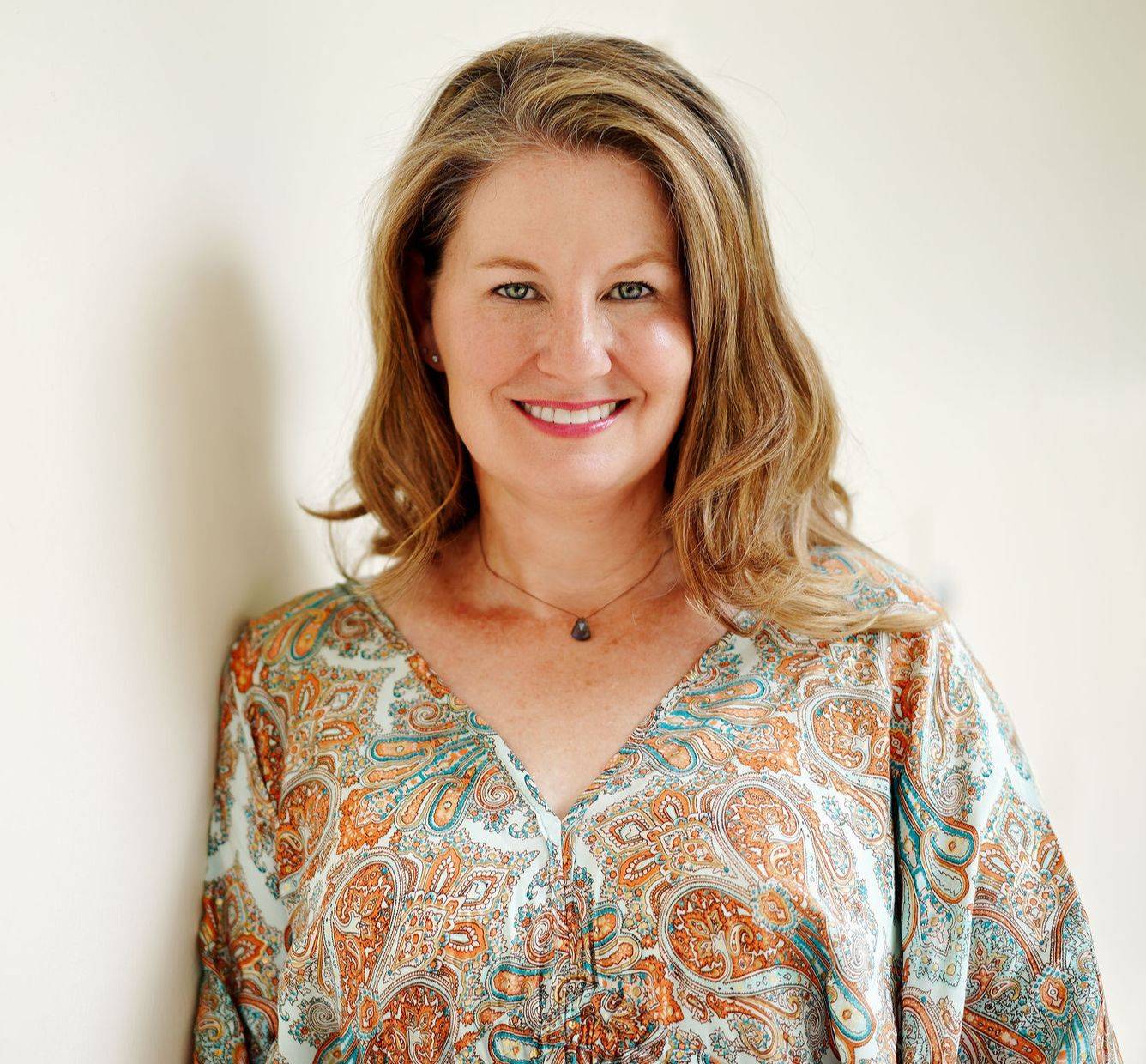
Trauma And OCD: Relearning Safety, Prayer, And Learning From Mentors
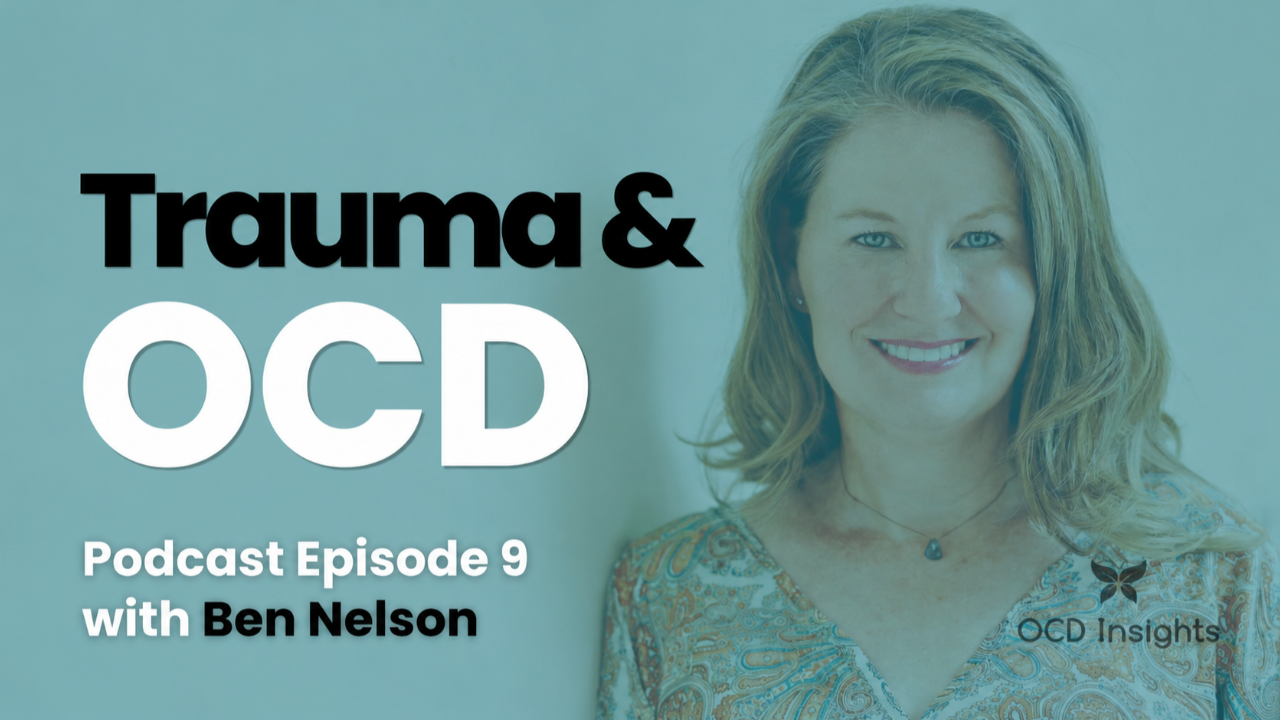
Ben Nelson On Childhood Trauma, Prayer As Compulsion Or Connection, And The Mentors Who Helped Him Through OCD
Episode 9 | OCD Insights
Content Note
This episode includes an open, educational discussion of medication misuse, addiction, childhood emotional trauma, and a brief mention of past suicidal thoughts. These topics are addressed with care, for the purpose of education, understanding, and hope. Listener discretion is advised.
He was working a job he did not like when a video on his phone told him he could be anything he wanted to be. Ben Nelson had not heard that in a long time. "As soon as I stopped believing in myself, so did everyone else," he says. That one sentence from Gary Vee on TikTok started what he calls his spiritual journey, and the number one principle he took from it: listen to those who have what you want.
This episode is for anyone whose OCD is tangled up with trauma, shame, or the fear of not being loved, and for anyone curious where prayer and spirituality fit alongside the rest of recovery.
Work with Samantha | All Episodes
About Ben Nelson
Ben Nelson is a member of the OCD community who shares his own recovery in posts and videos. He describes OCD that took hold in his teens after a run of hard experiences, and years of learning from mentors, nature, prayer, and practical tools to find calm again. He runs his own landscaping business, and he is preparing a live Q&A for the online community he has built, a peer support community for people with OCD. Ben shares his lived experience. The ideas in this episode are his own and those of the teachers he credits.
Episode Description
Most OCD stories begin with the obsession. Ben's begins earlier, with a five year old who felt alone with his feelings, and a fourteen year old who was prescribed medication for attention deficit disorder after a few questions in a psychiatrist's office. He tells Samantha Bray, LCSW that the prescription changed who he was, and that three hard experiences, back to back, gave OCD its footing: the need to solve every thought or something bad was going to happen.
What follows is a practical and sometimes spiritual conversation about what helped him begin to feel safe again. Ben describes relearning safety through calm, nonjudgmental people, time alone in his backyard, walks and sunlight, and a breathing technique called the physiological sigh. He describes the mentors he followed for years, and a question he asks when a fear shows up: what would I have to believe is true in order to continue to make this choice or feel this way?
They also take up prayer. Ben describes prayer that became a compulsion, asking God again and again to take a thought away, and a different kind of prayer, giving thanks, releasing it, and taking the next step, that he says is no longer a compulsion for him.
Ben also shares ideas from his teachers, including Bashar (channeled by Darryl Anka), Dr. Joe Dispenza, Dr. John Demartini, Sonia Choquette, and BK Shivani, about vibration, the law of attraction, and following your highest excitement.
It closes with Ben's plans for a live Q&A with his peer support community for people with OCD, an open invitation to collaborate, and an invitation for him to return and talk about intuition.
In This Episode, You'll Discover
- Why Ben says relearning safety comes first, and what it looked like for him: a quiet backyard, walks, sunlight, and calm, nonjudgmental people
- How one sentence on TikTok started his turn toward mentors, and why he calls "listen to those who have what you want" his number one principle
- The question Ben asks when a fear shows up: "What would I have to believe is true?"
- The physiological sigh: two inhales followed by a long exhale, and how Ben used it to go from fight or flight to calm
- Why Ben calls fear feedback, and what he says it is telling you about a belief
- Two kinds of prayer: when asking becomes a compulsion, and when it becomes connection
- How Ben starts from where he is, from Facebook posts to speaking on camera to running his own business
- How Ben stays centered when someone near him is hurting and lashing out
Questions We Explore
- What does it mean to relearn safety after trauma?
- How can a person find calm when OCD has its hooks in them?
- What can you do when OCD is telling you something terrible is about to happen?
- When does prayer help, and when does it become a compulsion?
- How do you start something that scares you when old beliefs say you are not enough?
- What does starting where you are look like, from Facebook posts to speaking on camera?
Timestamps
(00:00) Listen To Those Who Have What You Want
(00:44) Shedding What Is Not You, And Relearning Safety
(09:01) Prescribed At 14: Where Ben's Story Begins
(13:29) The Prom Night Thought, And The Fear Underneath
(17:46) Gary Vee, TikTok, And Finding Mentors
(22:16) Dispenza, Bashar, And Following Your Highest Excitement
(27:09) What Would I Have To Believe Is True?
(31:30) Walks, Sunlight, And The Physiological Sigh
(40:48) Starting Where You Are: From Facebook Posts To A Business
(45:24) Manifestation, Fear As Feedback, And Vibration
(52:23) Samskaras, Facing Thoughts, And Letting Them In
(56:06) Prayer, And When It Becomes A Compulsion
(01:05:10) Why Prayer Helps, And Feeling Connected
(01:07:40) Your Past Does Not Define You, And Meeting Hurt With Compassion
(01:13:31) Growing The Positive, And Mentors On Intuition
(01:20:30) Ben's Live Q&A For The OCD Community, And A Possible Collab
Tools And Practices Ben Shares
These are the practices that helped Ben, shared as his lived experience.
- Relearning Safety: Ben says it starts with you, and with time alone, boundaries, and calm, nonjudgmental people. He describes about a week of sitting in his backyard each day to settle before reacting to anyone.
- Questioning Beliefs: Ben's question, "What would I have to believe is true in order to continue to make this choice or feel this way?", and a line he credits to Dr. Joe Dispenza: just because you have a thought does not mean it is true.
- The Physiological Sigh: two inhales followed by a long exhale, which Ben credits to Andrew Huberman. He describes it as the way he went from fight or flight back to calm.
- Walks, Sunlight, And Time In Nature: fresh air, looking at things far away, and the sounds of nature, which Ben describes as healing for him. Related: When Your Body Screams Danger But There Is None: Understanding Felt Sense + Guided Meditation.
- Starting Where You Are: Ben moved from writing Facebook posts to making videos to speaking on camera, and when he started his own landscaping business, he began with the jobs he felt comfortable with, like weeding and trimming. Related: From Stuck to Unstuck: Creating a Life Alongside Anxiety.
- Turning To Face A Thought: Ben describes making friends with a thought, letting it in rather than running from it, and says it tends to ease.
- Prayer, Two Ways: Ben describes asking God to take a thought away, over and over, as a compulsion for him, and giving thanks, releasing it, and taking the next step as a practice that is no longer a compulsion.
Ideas Ben Shares From His Teachers
These are Ben's beliefs and the teachings that helped him, shared as his lived experience.
- "The formula": Ben describes a teaching from Bashar: follow your highest excitement in each moment, to the best of your ability, without insisting on what the outcome ought to be, and stay in a positive state.
- Vibration: Ben describes every emotion as having a vibration, with fear, anger, and sadness lower and joy and love higher, and says raising your vibration is how he sees thoughts for what they are.
- The law of attraction: Ben describes it as a law of the universe, and says whatever you are vibrating is what you attract.
- Near-death experiences, spirit guides, and channeling: Ben shares what he has learned from near-death accounts and from teachers who channel, and how it changed his relationship with prayer.
Mentors And Teachers Mentioned
Listed so you can find them. Their inclusion here is not an endorsement or a treatment recommendation.
- Bashar, channeled by Darryl Anka
- Dr. Joe Dispenza
- Dr. John Demartini
- Sonia Choquette
- BK Shivani
- Gary Vee
- Andrew Huberman (the physiological sigh)
Connect With Ben Nelson
- Facebook: Ben Nelson
- Instagram: @benwithlove
- YouTube: Ben Nelson (@benwithlove1)
- TikTok: @benwithlove1
Take Your Next Step
Ben's advice for starting is a saying he lives by: go as far as you can see, and when you get there, you will see further. If you would like help taking your next step toward a life you love, even with OCD, I would love to hear from you. Email [email protected] with the word PATH, or comment PATH on YouTube or Spotify, and I will reply personally. You will also be on the priority interest list for the OCD Insights PATH, my new beta program. Founding members receive early access and a founding rate.
If this episode helped, please follow OCD Insights and leave a review wherever you listen. It is genuinely how this show reaches the next person who needs it.
Keep Reading On OCD Insights
- When Your Body Screams Danger But There Is None: Understanding Felt Sense + Guided Meditation - a look at the body and the sense of safety, with a practice to try.
- From Stuck to Unstuck: Creating a Life Alongside Anxiety - values and small steps toward the life you want.
Connect With OCD Insights
Listen and subscribe: Apple Podcasts | Spotify | YouTube
Follow: Instagram | Facebook | LinkedIn
Share Your OCD Story
There are two ways to take part in OCD Insights. You can apply to be a guest and share your OCD journey, the messy, real, human parts of it, because your story could be exactly what someone else needs to feel less alone and find hope. Or you can send in a question to be answered on the show, either written or recorded as a short voice memo. Apply to be a guest or submit your question at ocdinsights.com/asksam (voice memos can also be emailed to [email protected]).
Disclaimer: This podcast is for informational and educational purposes only and is not a substitute for therapy, clinical diagnosis, or professional mental health treatment. If you are struggling, please seek support from a qualified mental health professional.
Music licensed through PremiumBeat. "Bubble Shot" Code: QTI4W2UFPIY8CCPI
"Trust Yourself" by Kevin Sherman, www.kevinstunes.com
Episode 9 of OCD Insights with host Samantha Bray, LCSW, and guest Ben Nelson. Lightly edited for readability. Ben Nelson: And I was like, wow. And he's like, you can be anything you want to be. And I hadn't heard that in such a long time, because as soon as I stopped believing in myself, so did everyone else. I felt so good and uplifted after hearing him. I said, I need to listen to more people like him. So that's when it that's when the growth, the spiritual journey really started. So I knew that listening to those who had the peace and the understanding that I wanted would help me get well. So that's the number one success principle is listen to those who have what you want. Samantha Bray: Welcome to OCD Insights, where we break down the complexities of OCD with compassion, clarity, and hope. Whether you're seeking answers, support, or connection, you're not alone. So let's dive right in with our host, Samantha Bray. This is OCD Insights. Samantha Bray: How are you doing? Little nervous. Ben Nelson: I've been doing a lot of the work of shedding anything that's not me. And no, I think if there's if there's anything that you can react to or any belief that you have that you're not truly free really until you can you know transcend that really. So I also learned you know I wanted to be completely free from everything before showing up for the OCD community today. Because that was one of the most challenging disorders that I've ever faced. And a lot of the stuff I've been teaching lately whenever you go to do something like that, like acting on your highest excitement. Everything that's not you has to come up so you can, you know, get rid of it really. So yeah, so today's been doing the work of really learning how to completely heal and transcend anything that you're facing or struggling with. So this morning I was faced with a lot of that. A lot of limiting beliefs, a lot of programs, unconscious programs and samskaras and I've been moving through that. Samantha Bray: Man, that's really good material to talk about in itself. We had so many different topics possibly to explore today. Ooh, but that one is basic is not the word. It's fundamental. And it's also it's also very It's one of the least practice and maybe least aware skill I think that a lot of people don't know about and would be real precious to talk about today if you're open to that. Ben Nelson: That's the number one thing I want to talk about today. Yeah, Samantha Bray: Okay. All right. Yeah, and it's fresh on your mind. Ben Nelson: I mean, because this is honestly there was a TED talk from a famous therapist who said she's been doing therapy for around 60 years. Almost every single one of her patients came in saying it was not they the they came in for the inability to deal with thoughts and emotions like unpleasant feelings. So any limiting beliefs, samskaras are the things that create that. Because you can't really feel a certain way without having a belief about it. So I've taken all of the teachings and really created a complete framework on how to heal that. On and how to move through that, how to learn safety again, you know, teaching your nervous system safety. And because that's a big one. Samantha Bray: Love to hear more about that. Yes. Yes. That was the first thing I wrote down. Nervous system regulation. Yeah, heard you speak about that on one of your Facebook posts. I believe. And I thought, man, you're for such a young man. You're so insightful. I think you're an inspiration. Ben Nelson: I wanna address that, yeah, all that. Samantha Bray: Yeah, let's do it. All right, where to begin? Do you want to share a little bit about your journey to this point and then share those tips or dive right in, your choice. Ben Nelson: Think we go into the tips maybe and if the journey comes up along the way we can go into that as well. One moment do you all right so do you know the experience of let's say you think a thought and you believe it and let's say you react to something, right? Do you have do you relate to that experience of like no longer being or showing up how you want to show up? And you kind of just go down this what do you usually do to like bring your presence back like right there in the moment? Samantha Bray: Okay. Well, I take a gentle approach where I note, there's thoughts going on. And I may also notice the physical sensations or the emotions that are arising in me. I'm also having another train of thought that's keeping focus on the person in front of me, if that's what was triggering to me, like in a conversation. But another another piece of my mind, my wise mind, is noting what's happening. And then reminding myself to gently bring my focus back into the conversation. And I tend to pour my attention onto that person or that activity that I'm doing. And if it's not a conversation where I'm really activating my list active listening skills, I might check in with all my senses. Like where am I in space and time? When am I physically? Feeling, what am I smelling, what am I hearing? So I use a combination of that, but the basic is a gentle bringing my focus back to the present moment without judgment. How does that compare to what you do? Ben Nelson: Think I've been relearning safety, and I think this is what a lot of people struggle with is so you know the Dr. Joe Dispenza teaches this as well, the stronger the emotion you feel from a certain event or a memory. If that if anything can come close to that, it comes up again and you kind of get triggered and it kind of hijacks your focus. And It's kinda tough 'cause it's like an unconscious program that runs and you know, and especially if it becomes a habit as well of thinking and acting a certain way, that can be really challenging for people to break because let's say like if you're recording a podcast for example or something like this, a lot of people that are with OCD would be struggling to even formulate a thought or have a conversation if for example I work with someone who you may have seen in the community as well and I relate to this because I had a similar form of OCD. You know that you have to keep checking and make sure if their car is okay. Like the battery's not draining like something wasn't left on. Well, when they go to sit down and have a conversation like this and they're and they're worrying about that, it's incredibly challenging to deliver show up how you want to show up, speak how you want to speak. And that has been something, living with that degree of the disorder and also trying to show up and deliver and that's it's actually fresh for me, a lot of that. And getting over all of that. I know so many people relate to this 'cause a lot of people are really going through it. And it's funny 'cause like one moment I can be coaching somebody, changing their life. But if I have 'cause I had a lot of trauma in my past and yeah, I mean, maybe we should talk about my OCD journey because it's the reason that brought me here really. Yeah, just worrying about those thoughts all day becomes such a habit in a program. Samantha Bray: One thing you said that I really think is skillful is in your own words you said it, but it's that idea that you can be in a situation that's completely new, but something that's just adjacent to, you know, it kind of smells like, resembles, has a silhouette of something from your past that laid down a track of some sort of memory. It doesn't have to be exactly the same situation. It just can be slightly adjacent to it. And you will have these responses. And one of the biggest things is just being aware of that. That's like the biggest hurdle in my opinion. Ben Nelson: Yeah. And yeah, because like when you're you know, when you're in that activated state as well, it was just crossing my mind, because actually had something fresh that I had reacted to. And usually what happens when that happens is you know, you get your nervous system gets activated, you go into fight or flight, and just start thinking and saying things you don't usually say, right? And yeah, so that was that was that's been my challenges lately was dealing with that. Samantha Bray: Well, it sounds like you were using some of your skills this morning prior to coming on here. Samantha Bray: Would you like to share your journey in as much detail or as little detail as you're comfortable with? Ben Nelson: Yeah, so my journey really started at four years old. I found addiction on accident around that age and I had like the best childhood you could imagine up until age 13. And but it eventually caught up to me and I was prescribed methamphetamines for school and that's what really that's when everything caught up to me and took me downhill. It changed who I was basically overnight. Yeah Samantha Bray: How old were you when that happened? Ben Nelson: I was fourteen years old. I so I lost the ability to like communicate or speak. And it was funny, like I went on like a date at school after lunchtime and I could not talk on this medication. Like that's what it did to me. I didn't understand what was going on. And became super awkward and antisocial. So any traumat any experience around women for me became traumatic. So and I thought this was me. I didn't know I didn't understand that the medication was doing this. I thought it was safe, I trusted, you know, who was prescribing that to me. But so I that's I just became that person and now became really depressed because the thoughts I had already done the damage. And once I realized it's this medication, it was too late. So I began, you know, then you go down this rabbit hole, this downward spiral of feeling empty and lonely, like a lot of people feel. That's what happens from the hormones of stress that make you feel separate from everyone and everything. So I was looking for others to fill the void in my heart, right? To try to just do anything to get love, thinking I needed it from someone outside of me. Samantha Bray: Okay, okay. Well I'm curious, were you prescribed that medication for a particular disorder or symptoms you were struggling with? Ben Nelson: So and this happens to a lot of people as well, but I was have I had good grades in all of my classes except for this one math class. The lights were always off in that class. She'd teach on the board and she was really monotone and I couldn't focus. I heard overheard her on the phone one day speaking to a friend saying the entire class was failing. So I brought home bad those bad grades, right? And my parents saw that and my parents were kinda strict. So they were like, This is unacceptable, you know, punishing, grounding, all of that. And so I said I couldn't focus because I really couldn't. I wasn't lying. So I basically went to the I guess the psychiatrist and I told him the situation. He was like, Okay, well you have ADHD or ADD attention deficit disorder, so that's the one where you're not hyper, but it you can't focus on things. And that was it. Just a couple questions, I got prescribed that. And yeah, then that it just it just changed who I was completely as a person. And I that led down to years of trauma. Man like how I got OCD disorder was three significant traumas back to back to back. So it it wasn't like it was because the stronger emotion you feel from a trauma, the more you pay attention to it. So for me the OCD was I had to solve every thought or something bad was gonna happen. Like I thought I was gonna die. And that's how people feel, a lot of these people that you we see struggling in the community whenever they react to a certain thought. Samantha Bray: That sounds really challenging. And at such a young age and during hormones in high school, such challenging time. Yeah. So after you were prescribed those medicines, your personality was affected, it sounds like, and you were thinking thoughts and it sounds like maybe blaming yourself. Ben Nelson: Yeah, yeah, because remember I was trying to get love and validation from outside, but when I was a certain way that wasn't coming. So Ben Nelson: So anyway then it was this was actually prom night of our high school prom and I was like I at that time I was prescribed Lexapro and antidepressant and I was feeling better for about a month and right before going out I got a thought, you only feel this way because you're on this medication. That thought, that's where the OCD disorder was like completely born because it messed me up. I'm like, I'm depressed now. I am just one little thought. And so I ended up taking like I'm like I'm this is the big night, right? I'm getting I'm trying to fill a void of my heart with someone that I've never had some. I ended up taking more of those Lexapro pills. And I went out to prom 'cause I was like I don't I mean, I was just trying to you know feel I was it just messed me up. I was like this can't happen tonight. I went out the night was just I was like just going just kinda like it was traumatic for me. Nothing went how I really wanted it to. Of course it didn't because you create the your reality on how you're thinking and feeling and vibrating. So and then after another trauma of an OCD disorder came where I was like all right if I believe such a dumb thought like that that means any thought could be true. So it that's and so like any thought, I just believed it and because that was the program that, you better just believe any thought because if you if that thought created trauma like that, then any thought can. So I had to look out for every single thought. And that's where that led into an OCD disorder where like if I didn't put the toothbrush back the right way in the morning. My entire day was ruined. And I lived and then and then and then it runs it jumps to everything else. Like everything all these compulsions that don't make sense. And a lot of people that we see online as well checking all like and it's like it's because their brain told them that they have to do that. So and that OCD disorder was extreme for two years to where Every single day was ruined as soon as the morning started and I thought it couldn't get better until I went to sleep, woke up the next day, and then tried again and then it was it just kept being ruined. So imagine all those habits and programs that I picked up along the way and you have zero self worth because I thought if I'm not a certain way it won't be love. And that's a core belief many people are struggling with. And that was like one of the biggest ones for me. And I had to learn I had to learn to overcome that. Samantha Bray: Yeah, that's what it is for most of my clients. When you do something called the downward spiral technique, where you say, What's the worst that could happen if you don't do usually a compulsion? Yeah. And then you ask a follow-up, what's the worst could happen if that happens? And you keep doing this, and it almost always leads to some form of I'm going to be alone. No one's gonna want to have anything to do with me. I'm gonna be in prison or under a bridge alone is typically where it ends up. It's this fear of being kicked out of the village. Yeah. Ben Nelson: Yeah. And that's why it's important to relearn safety. Like speaking to someone like you or calm people who Aren't judgmental, they let you be the way you are and support you and that's how you can heal. Samantha Bray: Just by having someone reflect back to you and normalize what you're going through. Ben Nelson: Yeah, and Samantha Bray: What have you found? Ben Nelson: Yeah, 'cause I think it's a program too, like people may bully you or not be able to handle emotions like I learned when I was like five, like my parents couldn't handle emotions. So I felt completely alone, like you said, like under the bridge at five years old. Like I was in a corner crying and I saw like my parents they looked disgusted at me. So a lot of people they hold all these things in 'cause they feel like they have nowhere to go. But but it also it starts with you. It starts with you relearning safety within yourself first and the whole journey and process to relearning safety. There's so many steps, but this is the number one thing that this is the number one challenge that people are that we need to overcome. Samantha Bray: How did you learn that was a step you needed to take? And what were those steps that you took? Ben Nelson: Okay, so yeah, this is an entire framework really. So First the first thing I started doing was they say the number one success principle that all of the successful people teach is listening to those who have what you want, right? So I had to listen to people who embodied the peace and the life and the success that I wanted. And like for example, I used to see like doctors on talking about depression. And I'm like, well they're talking about depression. They're they must not be depressed, right? I'm I can't even get in front of a camera and talk. So I started and this is where I found like Dr. Joe Dispenza. And just learning like having their input is very healing. And then like everything if we look at it all of all of our own experiences, everything we've learned that's really helped a lot of this stuff has come from a mentor or a teacher. So that was the number one thing was like yeah, listening to those who have what you want. Samantha Bray: So who were some of the people besides Doctor Dispenza? And I'm curious, how did you hear about him? Ben Nelson: Well yeah. So this whole journey started, it honestly I think it takes a lot of people to hit rock bottom too to just say like, all right, I'm gonna listen, I'm gonna learn. Yeah, one day I was working a job I really did not like 'cause of you know and I was I got on TikTok and someone named Gary Vee, who I love, he uses TikTok to reach the younger generation. And he was saying, you know, like why are you working this job? Like is it for your parents? Is this really what you wanna do? You know, are you doing what everyone else told you to do? So the number one success principle I learned is listening to those who have what you want. And that started one day when I was working a job I didn't like on the river as a deck hand. I just took that job because everyone told me, like, this could be a good opportunity for money. So I was just doing it for the money basically. I didn't I was just so traumatized at that time, I didn't know what I wanted. I was living in constant fight or flight every day. And one day I opened up TikTok, I walked out on the balcony and a guy named Gary Vee who uses TikTok to reach the younger audience, he was speaking and I was to like it felt like he was speaking to me through the video. He was saying, you know, why are you working this job? Is it you know For your parents or your society, is it worth it for you? And I was like, wow. And he's like, you can be anything you want to be. And I hadn't heard that in such a long time, because as soon as I stopped believing in myself, so did everyone else. So I said, wow, like I need to listen. I felt so good and uplifted after hearing him. I said, I need to listen to more people like him. So that's when it that's when the growth, the spiritual journey really started. And so I started listening to him. And then that led to I just looked literally on YouTube motivational videos. Then that led to Jordan Peterson and then the show Impact Theory. And then that's where I found Dr. Joe Dispenza. And I delved into his work for over two years. Just I watched almost every single interview he's ever done. Every podcast he's ever been on. I paid for every single course in class. And because I knew that listening to them would help me heal and get out of it. You know, because they obviously embodied something I was lacking. Right. So I knew that listening to those who had the peace and the understanding that I wanted would help me get that as well. So that's the number one success principle is listen to those who have what you want. Samantha Bray: My gosh, I love that. I have full body chills right now. Yeah, you just never know when, like for you. That's how I saw I found you by your shares on a social media. It made me think somebody is gonna see is going to see what you write or watch one of your videos, and it's just gonna cross their path at the exact right time to inspire them and motivate them. To get help or to take a next step. And it can be one sentence, one video, just like you described. That's really cool. Also, recently, like in the past few days, met a neighbor in my neighborhood that said that their adult child with OCD has gotten them a lot of help from Joe Dispenza's work. And I found that fascinating. I've Samantha Bray: Read his books and seen some of his videos and I enjoy a lot of the work that he's done, but I haven't thought of it as explicitly helping with OCD but I can't see how it would. I wonder if you could dive in just a little bit, explain how it helps you. Ben Nelson: So he was one of the first teachers. But I so I just transitioned, I kept just so I so I found him on the Impact Theory show. So I started subscribing to the top health podcasts and shows. And that's where I found all these other teachers. His work the best insight I learned from Dr. Joe Dispenza is just because you have a thought doesn't mean it's true. Right, so and that one, just hearing that sentence right there, just because you think a thought doesn't mean it's true. Every now and then it'll hit you and you and it'll you realize that. So that's been helpful. But I would say my top mentors would to help me get out of OCD and help me keep relearning safety and keep coming back whenever I fall. Is someone named Bashar or Darryl Anka who channels Bashar and I couldn't like his advice in the formula, of you know, acting on your highest excitement to the best of your ability in each moment. Learning how to do that. And because it's com that formula right there is a complete healing toolkit holistically for trauma and OCD. And Samantha Bray: Can you break that down like just a bit for the audience? Like the highest, what did you say? Ben Nelson: So the formula is follow your highest excitement in each moment to the best of your ability without any Samantha Bray: What does that mean? Ben Nelson: Ins insistence or assumption of what the outcome ought to be and stay in a positive state no matter what comes up or what. So yeah, so each moment when you act in your highest excitement on your passion, when you live by priority and you follow your values, what happens on a scientific level is the blood, glucose, and oxygen go into your forebrain, your executive center. And that lights up. And you know, when you're living by low value activities and by other people's injected values into you and things you don't love doing, a lot of times people the same the that the blood glucose oxygen is in the amygdala. And you see like it feels like you're putting out fires all day. And you and a lot of people's symptoms are like that, like working a job you don't love, you know, it's hard to get out of. But this toolkit is so holistic because what happens when you follow your highest excitement in each moment to the best of your ability is it raises your vibration. Now, you can't perceive what you're not the vibration of. So if people are stressed or really dealing with OCD and believing every thought they think, like I was and like many people are, it's because you the vibration's low. So following your highest excitement and following your passion will raise your vibration and you can just naturally see whenever you do this. And I this has been really healing for my OCD journey as well. When I follow the formula, you can just naturally see when you're doing something you love. Like the thought can come back and you just like you can see it for what it is. You know it's not true. So that's been that formula. And it to the best of your ability, like following following the formula has been super healing. That's one piece of it. There's so many more. But that right there, if people learning that. Samantha Bray: That's well put, beautifully put. That's a hard concept to explain to people that are not familiar with work like that. I am curious. I'm wondering, have you shared this with your family and what do they think about it? Ben Nelson: Family's funny sometimes 'cause they've seen who you were in the past and they kinda know they have this bias and idea of you. But as they seen me grow throughout my journey and the things I've been accomplishing and they've seen how my life has changed just by following this formula. Like so many synchronicities start to happen and changes in your life and opportunities. Because it's a complete holistic kit. And yeah and so many things happen too. And there's so many nuances we should go into as well because it's not so easy for some people. And there's challenges along the way. And if you deal with OCD or trauma, they're gonna come up and you're gonna have to know how to deal with them. So I would like to talk to speak on that a bit. Samantha Bray: Yeah, let's please. Ben Nelson: So when you act in your highest excitement and you do that. Sometimes we were speaking about this earlier, whatever is not you or not serving you anymore, it's gonna come up. And that's not doesn't mean you're doing anything wrong. It's coming up for you to transcend it and see that it's not true. So when that comes up, there's a question you can ask. And I post about this a lot and it's been really helpful. It's what would I have to believe is true in order to continue to make this choice or feel this way. And a lot of times when you ask that question, you can kinda like see the limits in you believe or what it is. And there's different variations Samantha Bray: Can you? Ben Nelson: Of that question too, but Samantha Bray: Yeah, I think that would be great to dive into just a tad. I'm curious if you have an example you could share. Ben Nelson: Hello. So Let's say let's say I'm going to shoot this podcast or do something I'm really excited about and involve. Or let's say speak on stage, because a lot of people have a fear of public speaking. I go to speak on stage. And it's honestly exciting for me. I like because I want to help teach people how to overcome OCD, right? So the thoughts are probably gonna come up that have been keeping me from that I've been believing these all these limiting beliefs that people may have in samskaras that say, you know, you're not good enough, you don't know enough, whatever the story may be, it's gonna it's gotta come up. Asking that question like what would I have to believe is true in order to continue to make this choice because it is a choice and it's hard it sometimes it doesn't seem like that because it's an unconscious program that we reacted to and then we went unconscious. But it is a choice on how to feel that way. And like asking that question sometimes you can like just see like sometimes instantly the truth about it. So yeah, yeah, like the and Samantha Bray: So in order to get on stage, in order to step on stage, what do you have to believe? Ben Nelson: Well, you first if it's telling you're not enough or maybe someone else is better than you, right? Because remember we were saying if these most people have the fear of like not being enough or they won't be loved or they'll be lonely. So you have to realize like learning who you truly are, like you are enough. No one's better than you, right? We're all unique and we all have we all fit like a puzzle piece. We're all here for a reason. Like you exist. You are a part of existence. Like it the totality of existence couldn't exist without you here. So learning you are enough. No one's better than you. You're valid. You know, you have a right to speak and also you're doing people a disservice if you're not speaking and sharing on what you know and something that can help. Samantha Bray: That gave me chills too. I think that was one I struggled with for years. I actually did some work around it not too long ago and realized growing up, my grandmother had a plaque that she had put on the wall in the dining room. And every once in a while when I was talking, she'd say, Read that. And it literally said, Dear Lord, help me this day to keep my big mouth shut. And as a little kid, you don't really realize how much damage something like that does. It's the programming that I lived with for years and did my work in silence and in private until it became aware to me that what you just said, it's selfish of me to protect myself to keep quiet what I've learned and not share. Right. Ben Nelson: See, yeah, and when you live as someone you're not, you're doing a disservice to the world because you're putting out that vibration. But when you live true to yourself and you ask these questions and see these limiting beliefs and you follow the formula and raise your vibration, you know, you're putting out that vibration and it is having an impact on others and helping others. So that's why following this formula, learning how to heal is so important. Samantha Bray: Yeah. What are some of the other steps? Ben Nelson: So because this because it's not always so easy. Like for example, sometimes when you're dealing with OCD and it's just you're just reacting to thoughts and you're not trying to. Because some of some of extreme OCD that some people are dealing with It's what it's doing is it's literally telling you like there's a tiger or a bear gonna kill you. You know, and it's hard to focus or do anything when you it just you just react to it. It's just unconscious, it just happens so quickly. So sometimes when that happens, it's really hard to do anything. Like this morning, I had to just take a I got to a point where I'm like, okay, I have to take a walk. I can't sit in here. So there's also healthy habits as well to do because this is a real part of the journey. You get stuck in OCD and you're struggling. So you take a walk and that's so many health benefits of walking, getting out in sunlight and breathing, getting oxygen. Samantha Bray: Yes, it doesn't get the credit Ben Nelson: That helps you kinda get out. Samantha Bray: It deserves. I tell so many of my clients. Yeah, move your body, get Ben Nelson: Poor breath. Samantha Bray: Some sunsh breathe. Ben Nelson: A breath saves your life sometimes because you know, breathing can switch your nervous systems from you know parasympathetic to sympathetic. You go from fight to you know fight or flight to being calm again just from a breath. That's why like I notice it too because you kinda you tend to think the way you're feeling. You know like if you're vibrating a certain vibration you're gonna have thoughts equal to that. So like earlier today too, another 'cause ever I wanted to get it all out the way, all this trauma, all this stress. So one came up and I was dealing with it and I did the physiological sigh, which is Andrew Huberman speaks about this. He's like that's science pro science is number one proven way to calm down the fastest. And that's two inhales followed by a long exhale. And that I it went, I went from fight or flight to calm. And I'm like, that breath right there saved my life. And I've stopped believing all these thoughts I was thinking and I'm calm again. And it's finding calm again. And the people who are really struggling with it, the more you do this, it becomes, you know, a program in you. And that's the key is keep relearning safety. Samantha Bray: So just high highlighting that because I think people right now are gonna go and Google Andrew Huberman, sigh. But literally what it is, you take a breath in and at the top of the breath, you take another all the way up. And then you let it out. And you can just feel it. Ben Nelson: Feel it because also like I was dealing with it today and it helped me feel calm again, you know. Samantha Bray: Yes. So when you don't know what to do and OCD's got its hooks in you, pause and do something like take one of these breaths. Ben Nelson: And that's also why the formula is Samantha Bray: Sometimes that's so hard. Ben Nelson: Yeah, and that's yeah, and that's why the formulas follow your highest excitement to the best of your ability in each moment. No matter what it doesn't have to be some grand thing. Because there's a saying, go as far as you can see, and when you get there, you'll see further. Because when you're doing your passion. Samantha Bray: Mm-hmm. Like the path unfolds. Ben Nelson: Yeah, and when you walk the path, your vibration raises. That's just that's how life gives you feedback for through feelings. So when you're on path and you're following your highest values, that's what Samantha Bray: Yes. And like you said, it doesn't have to be something extreme like, you know, stepping on spa stage to give a huge speech. It can be getting back to that conversation you were having with your friend or enjoying the meal in front of you, or petting your pet, your cat, and just really feeling the tactile feelings and sensations. Ben Nelson: Yeah. Sometimes it's sitting in my boat or going fishing or going exploring nature or playing a video game. And it's also there's also a balance like living by priority. This that's where it because it's like there's no like one complete answer for life. There's so many different layers. That's been one, you know, 'cause it's like, okay, well you can't people are gonna say, you can't sit around and play games all day, right? But it's not saying you have to play all day. But if you're just trying to raise your vibration, that's okay, right? And that also happens naturally from listening to those who have what you want. Like when you listen to them, like every time you learn something new, your brain, your brain shifts into alpha. So just learning new information and learning, hearing their input, because you either have your input if you're stressed out and dealing with OCD. That's running all day in your head, or you have someone who's speaking truth, and they're they're dedicating their life to teaching you that. And that becomes the new input. And it's just so helpful. That's why I post all of very often to help people see this, to hear the positive words, and to know like that's the thing to do to get out of it. Get out of your head. They say if you get in your head you're dead. And get into get it get get those thoughts that someone else is putting out there that's maybe on a better wavelength at the moment. And start feeding that positive because they say you're gonna be like the five friends you hang around most. Well, I didn't have a lot of successful friends. A lot of us don't. So you want to listen to them and you can listen to them through YouTube and through podcasts. And that's why people like I've seen so much of the stuff you're posting and it's just beautiful information. And like thank you so much for posting that. I know it's helping so many people and that's the thing to do right there. Samantha Bray: It's scaffold, it's scaffolding, you know, the folks you can influence. You only need to know a few percent more, five, ten percent more than the person you're helping. You don't have to be an expert, right? You share you can share something, nugget of wisdom, or just a support, hope, and encouragement. I really love what you're saying about the five people that influence you. So you went out and picked handpicked folks to help raise your vibration and encourage you. Ben Nelson: And that's so that's what was so key about lit finding the like following and subscribing to the number one health podcast and the top self improvement podcast, 'cause all of these mentors who have given me the tools to get out of things like OCD, trauma, addiction. I had so many disorders, had a pack of disorders and diagnosis. So find like listening to all these people is what helped me get out of get out of that. So Samantha Bray: I'm wondering, well, I had a list here. Nervous system regulation. I'm curious what are your top tips there? I know we talked about breathing. Breath so breath work and getting out in nature. Ben Nelson: And so also acting on your yeah, your yeah, nature's a big one. That was a part of my journey was I would react to a thought and then you're around people and you're like, man, I'm gonna say things I shouldn't say. I'm gonna be treated this way. So I got up for about a week every day just in my backyard, just like just in a safe spot to just calm down and breathe before taking taking out reactions on other people. And that was learning safety was giving yourself the space and time and creating boundaries to heal. You know, if you're just getting triggered all day and you have people who are just keep feeding the fire, sometimes you do need to, you know, do the work of healing and just kind of just alone time is that alone time is where you've learned so much. You know, that's where you relearn safety. That's why I said it starts with you. Yeah. And then the next one would be Samantha Bray: To be clear, you're not going alone to compulsively think about things. How are you directing your mind when you step away to get that alone time? Ben Nelson: Yeah, so sometimes if you're really activated like I was, I had to just get out and this can happen naturally too whenever you're out in nature. You're getting fresh air, the air quality's better usually outside than indoors. And you're just breathing and then you just you look at the they say look at things far away. Even when you go on your walks or anything, that takes you out of your mind. So you look at the trees, you the Samantha Bray: It's better for your eyesight too. Ben Nelson: And the bird sound, the apparently the frequencies from all the sound you're hearing put your brainwaves into alpha and theta. So that helps you get out of it. And just yeah, the sunlight. So it's just the health being out was so healing. That was really healing for me was going outside in nature. Because it that right there is a holistic healing kit. So that's one of the rungs of the journey. I would say the next one is yeah, following your highest excitement. Maybe we can get one to Samantha Bray: Yeah, let's do it. Now to me, that's like something that you want to work towards or learn or maybe a goal or a value or a purpose. How is it for you your highest excitement? Ben Nelson: So for the most part mine was learning and teaching serving because I struggled with OCD and so many disorders for so long that I really wanted to act on that. So before I could make videos, before I was comfortable on video, I just started making posts on Facebook, you know, like writing and and then you get some confidence, you build it up, you start where you're at, and then you just keep growing in confidence and helping people. Like speaking on camera was something I never I never thought I could ever do. You know. So Samantha Bray: Yeah. How long did it take before you were comfortable doing that? Is you're basically talking about an exposure hierarchy. Ben Nelson: It took a long 'cause you all those beliefs and also when you when you deal with trauma for so long it just becomes like a habit and a program and it's like that you have to like it's like you have this big ball of negative energy, right? And you have to get the positive ball of energy bigger than the negative ball. So that's this whole healing journey is doing all the work, following your excitement, and really relearning safety to get that ball bigger. And yeah, relearning safety is like for one one big thing that was helpful for me was I was working at you know, when I left that river job I started doing landscaping and I was making twenty-two an hour, which was like pretty good at the time, but then I got I've been doing it for over a decade, landscaping. I got really good at it. And that for that big level of experience, that's not quite the right amount of pay. You at least 23 to 25. So and it was also the environment I was in, I didn't like too much, right? It was stressful, it was a little too high-paced. So that was hard. Like working a job you don't like and and living by other people's values and having financial pressure is another thing that makes the OCD journey or dealing with anything very challenging. So sure enough, I'm praying, I'm doing all the work, listening to those who have what I want. And out of nowhere, I lost like this job, it just went I it was like we were done overnight. I had to like literally the next day I had to either find a new job or start my own landscaping business. So the next day I was out of work. So I drove around passing up business cards. And then I got my landscaping business going and thriving. And I learned that I could work one day a week, one day a week and make more than I was making an entire week working for who I was working for. I went from 22 an hour to 65 an hour overnight just praying for what's really meant for me. So that means everything that wasn't meant for me had to go. And of course I was scared because I'm like, okay, now I gotta deal with I gotta talk to people, I gotta deal with customers, I gotta there's all these beliefs that come in the way of when you go to do your dreams, but they have to go and they and they do go and you do the best you can. I didn't like starting off doing this for my example's a perfect example. I drove around the neighborhoods looking for houses that looked like they needed landscaping. And I look I did the ones that I felt comfortable with and that I like some weeding and trimming. I started there. So start so that's why I say to the best of your ability, go as far as you can see and when you get there you'll see further. And that's exactly what happened. Samantha Bray: It was still a stretch. It was still a stretch, right? Even though it was the landscaping piece wasn't that intense of a stretch. But going and getting your own business? Ben Nelson: It was and also learning the definition of abundance helped a lot too. The definition of abundance is the ability to do what you need to do when you need to do it. So thank God doing this healing work listening to those who have who have what I want got me to a level because this didn't happen overnight. I worked that job that I didn't like for over a decade. And I and I did this healing work when I got home every day. I would listen to Dr. Joe Dispenza and all these great teachers. I've been learning for years now and I finally got myself to a place of healing to where I can take that step out and you know. Transcend all of that. Samantha Bray: It's interesting because there was a period of time when a bookslash movie was out called The Secret, and some clients came to me after watching that a little confused about what it meant to manifest. They watched that and they had the impression that you were supposed to put in your mind's eye. The house on the hill you wanted or the relationship you wanted and then it would just happen. And it really messed with them because they didn't want to think any negative thoughts because if that were true, the opposite were true. If you have a negative thought, that's going to come true. But that isn't what manifestation is. It's what you just said. It's this idea of taking that step kind of in faith towards the thing that you value. Without the expectation of the outcome. It's just moving in that direction, one step at a time. Be scared and do it anyway. And see what next step, next thing unfolds. And it tends to be in alignment when you do that. Do you know what I mean? Ben Nelson: Yeah. And that's a whole not yeah. And even learning like how to manifest or create what you want is a is a it's a big thing to learn as well. And that's really that's why this the formula's such a holistic kit because when you change your vibration, like the law of attraction that you learn in the secret, well that's like a physical law of the universe. Whatever you're thinking or vibrating you're attracting into your life. Right? Like a like attracts like. So if you notice someone who's not dealing with OCD or doesn't have that trauma, they're not attracting the same things in their life or the same thoughts, right? Because they're thinking other thoughts and vibrating other things and a lot of the successful people in life, they're vibrating and creating all these beautiful things in their life because like everything in the universe has a vibration and we're all made of the same things that have just and whatever thought you put out you know your thoughts are magnetic and you're literally sending out magnetic particles into the universe and it's literally moving things in the universe synchronously as we're happy to bring that into your life. So and you we all look at our back at our own experience. There's things, they say you get what you focus on in life. I know there's been things I've been avoiding and I've run straight into. I say, how can how is that even possible? How can I How can I possibly create that? Or I look I blame it on the person. How could you possibly say that? How could this happen? It's because I was avoiding it and I created it. And that's one of the most challenging things. The things you're fearing and you're you're kind of making that more of a potential to happen, worrying about. Samantha Bray: Think if any of my clients listen to this, they're gonna be laughing right now because what I say when that happens is the universe provides. I could not create the exposures that happen for my clients because they would never do it. And the perfect thing to get them past that fear, the situation, the environment, the context arrives at the right time. And they deal with it and they realize they can come out the other side and they're so it's like a light bulb moment of transformation. Ben Nelson: The fear is a feedback, it's a blessing. It's the universe telling you, like, look, this is this is a belief that you have that's not serving you anymore. That's the only reason you're feeling the fear, right? Because you can't feel a certain way without having a belief about it. So when you go to act on your excitement, the belief's gonna come up and you're gonna see that, and if you feel fear, it's telling you, it must be some belief that I have that's not true. So yeah, that helps also raise your vibration. Samantha Bray: Yeah. Yeah. I think some sometimes People that haven't heard like Joe Dispenza's work or know about or have done any deep dives into like quantum physics and things may not understand what it is meant by vibration. And I'm curious if you could put it in layman's terms for someone that this is completely new. Ben Nelson: So everything in the universe vibrates. And we're all made of atoms. Everything's vibrating, right? So every emotion that you have has a vibration. And it's all it's called the Hertz frequency [unclear]. And you can see like lower vibrations. They say you ever heard low vibe, that's low vibe. Well then the lower vibrations on the scale are things like fear, anger, sadness, [unclear]. The higher vibrations are joy, you know love, higher vibrations, and so yeah, when you're when you're vibrating those low vibrations, you're just creating all of the things that you're thinking about. Because like something good could come into your life, but if that's belie the certain beliefs you have about it or vibration, it's you could still feel not so well. But if you're high vibration, right? And you're living in let's say love and joy, someone could say something about you and it's not so much a big deal. You see it for what it is because you can't perceive what you're not the vibration of. So someone could be throwing negativity, but if you're so high vibe you don't even care about it. And it's actually not even a reality for you because by law, the law of attraction, it has whatever you're vibrating has to come in. So it's no longer a scary thing. It's more of like a fun little challenge. And you're not scared of it. And if you notice the successful people, they're not scared, they're not so scared of certain beliefs or certain OCD patterns. You only kind of believe these things when your vibration's low, and this has become a habit for a lot of people throughout the OCD journey. So yeah, following the formula and get doing the belief work, asking the right questions, listening to the right mentors like Bashar. Dr. John Demartini is another one who teaches about values. These people, Samantha Bray: Who is that? Ben Nelson: Dr. John Demartini, he's the one, he teaches, Samantha Bray: Martin, I haven't Ben Nelson: He travels on the world's largest yacht, teaching people how to live by their highest values and priority. So they complement each other, these two teachers, and how that wakes up your executive center in your brain. And then he also has a Demartini method to ask questions to see the full picture of everything, to really look at the beliefs we have and really transcend the definitions that we have about certain things. Samantha Bray: That's interesting. I'm gonna have to look up his work. But it's in line with how I believe in treating OCD. I feel like having a an idea of what domains are important to you in your life and getting a good idea of what your values are, that's like the lighthouse. And so when we operate, we either operate out of fear or love. I think it can be that simple and it's a fork in the in the road. And so if a thought comes up and it's keeping you from moving towards the things that you love, that's where we stop and have that choice. Do we do what OCD wants us to do? Well, that's not something I value. I value this. It's a it's not easy. It's simple, but it isn't easy. And that's where people need that courage to take the step in the other direction. And get out of the habit of doing a compulsion to make the OCD feel better. Ben Nelson: That's the biggest part of the journey. And that's why following the formula has helps so much because I'm like, okay, in each moment, what's the most exciting thing for me? And that helps me get out of it because my vibration is now being raised. Samantha Bray: Is there is there a con a concise list that you have in your mind that you run through? Ben Nelson: See see it's funny because even right now there's a perfect example 'cause I had a thought or a samskara come up. Samantha Bray: What are you saying right there, set the thought samskara Ben Nelson: Samskara, that's basically a trauma a trauma for somebody or an emotion that gets keyed in. It's an unconscious program or emotion. That's just another term for it. So these and it's all it's actually all limiting beliefs. All of the thoughts people worry about. It all stems from a belief. Because you can't feel a certain way without having a belief about. So It's so when you follow the formula and you follow your highest excitement, that allows you to you're gonna be able to see like that belief for what it is. And that makes it easier because even like right now, let's say I was avoiding a thought and a lot of people are avoiding thoughts. The thing to do, like they say, whatever you resist, persist. So the thing to do is to be to like like turn and face it and be able to like see it for what it is. That's why I made posts as well. You're running so much and you're fighting the thoughts. But it's just making it worse. So when you just throw your hands up and just like, all right, just come just come on, just relax. I've done this multiple times. I made posts about this where I just lay down in my backyard, I just and then it was and then it was like it's funny because whenever you let it in and you make friends with it kinda goes away. That's another thing you can do if you're struggling with following the formula, but also following the formula and listening to those who have what you want is a beautiful way to get out of whatever you're struggling with. Plus it's a way to learn the tools that you need to learn to recover and heal. Samantha Bray: Do you mean actually literally in that moment when you're having a lot of OCD chatter to turn on a podcast or a video of someone that inspires you and focus on that? Okay. Ben Nelson: It helps you. Now that so that can be challenging for people if they're really struggling. That's why I was saying to just sometimes just feel it or breathe or take a walk. But do something or sometime if you're doing too much, then you need to slow down. See so it's you have to you're gonna know what's best to do through your intuition in your own life and yeah, following the formula really helps you see that and do that. Samantha Bray: You mentioned prayer briefly, just for a like a second. How much has that been beneficial and helpful in your healing journey? Ben Nelson: Glad you asked that because I would honestly say that was like one of the number one things. You know, I learned and a lot of the top my top mentors, they talk about, you know, God and for my thir first thirteen years of my life I felt really connected and then when it went downhill I felt separate and like God never loved me and he judged me and a lot of stuff I didn't I grew up in a religious household and I didn't I had wrong ideas about a lot of things. And then so how I learned about prayer again was I found a swami, swami Sarva Priyananda. And I had gone through something in my life, like a breakup that losing who I thought was my soulmate was and that would have like taken me out. Like this would have happened back in my darkest moments. Those things it makes you kinda wanna like end it for yourself. And that's the thoughts I used to have. And this would have hap normally happened, but I found this Swami and he starts speaking of who you truly are, the true nature of reality and God and all this. And then I started learning like, wait, she's not better than me, and I'm my own person, and it's because people can get disconnected from that, and so many people are. But coming back to that and then so it's so funny how it works as they say the teacher shows up whenever the student's ready and my algorithm switched to it just all this stuff and I started learning more about God and intuition and then that listening to yourself and your intuition and learning how to do that and there's an actual art to that. And then I started finding other teachers and and the and this is advice from people who are embodying what we want and they have lots of success and so I'm like okay well it's probably more smart for me to listen to them instead of what was going on in my head. So that led my algorithm to something called near-death experiences or NDEs. So they have like thousands of people who have died and then been resuscitated, and they tell you everything that's on the other side, and it's all over YouTube. Samantha Bray: Yeah. It's so fascinating. Yeah, it's wild. Ben Nelson: And they confirm everything that spirituality, religion, quantum physics is talking about. And like they can tell you everything and they say we all have guides or spirit guides or guardian angels and and then also they can tell you what's going on in the room. Like they're dead and they can see everything, they can see other rooms, they go and they talk to family members they never met before, they said, you know, Auntie, whatever her name is, says that you don't have to blame yourself for that car accident or whatever that she died in. It's like the kid never knew this stuff before and he comes back knowing it. Or they come back having an understanding of quantum physics. And you can see watching these people that they clearly weren't that person before. It's so cool. So Samantha Bray: Right. Yeah, I've seen a few of these people in person at a church in Austin, Texas. They came to do a series. It was fascinating. Ben Nelson: So learning, okay, we have a spirit team, just from the evidence and believing that. And so as soon as I started praying and reconnecting with source, the intelligence that connects all of us, God, you can call it, all that is. That right there is as soon as I started praying. And I'm not gonna say I like I healed overnight, but stuff because I lived in extreme trauma and OCD disorder. Like I say I was in the top five percent of OCD, like the way that I struggle with like the degree. And when you see people posting and they're struggling, you're like, man, they're really going through it. That's what every day was like for me for, you know, like over a decade. So and these are habits and programs and it's like this big ball of negative energy. So when I started praying, they started removing it's like blocks of that stuff started being removing removed so fast. And it was like I could see in your own head you're like, okay, I would have never done this that quickly. So and then learning. Samantha Bray: But you know, in your own mind with what you already have been telling yourself. Like you can't you can't learn anything new if you just pull in from what you already know. Yeah. Ben Nelson: Yeah, it's like I would have never I was I created such a big ball of negative energy and beliefs and thoughts. They say you think seventy thousand thoughts a day and ninety percent, over ninety percent are the same as the day before. Well, okay, Samantha Bray: That's right. Ben Nelson: All my thoughts were the same and they were terrible. So, you know, when I started praying and asking my guys for help, they started moving all that out the way and Samantha Bray: Got chills. Ben Nelson: It got me so that right there and knowing you're supported and loved and not alone because going through it alone is terrible. We all have had that experience. That has helped so much and yeah, I do that all the time and it has removed blocks like speaking on a podcast like this or even talking or it would have never have happened if I would have not asked for the guidance, the higher guidance, right? Samantha Bray: That's exactly what I was gonna ask you next, because you know that prayer can turn into a compulsion for a lot of folks. There's a there's a wrong way to do it and a better way. And so I wonder if you would speak to that. Ben Nelson: Yeah. I've done it wrong so many times. And it was a complete compulsion for me so many times the training. And it and it wasn't other times. Yeah, I beat myself up for a lot of stuff. You know, I grew up religious and you would think God hates you for certain things and that Samantha Bray: You grew up thinking God hate hated you? Is that what you said? Ben Nelson: Yeah, or like you know, you're you're going to hell for certain things, right. And I didn't realize like so my relationship with God became that. And it wasn't always that, but that was that became an understanding when I went through all my trauma and stress. So and then also remember I said whenever I react to a thought, I think I'm not worthy or lovable. So I think, well, God doesn't love me. No one loves me. No one's gonna care about me if I'm reacting to a thought. So I asked so I would pray, that was my compulsion. God take away this thought. God help me get over this. God help me this. And yeah. And realizing that none of that stuff I was worrying about was true. That's why like it's almost like you know, you're playing a game and then you ask God to play it for you or something. You know, you got it's you gotta kinda help out in a certain way. So that was yeah, just like panicking asking how to take away everything and but when you Samantha Bray: Did you feel that that was helpful or felt more compulsive? Ben Nelson: It's so I had such an extreme [unclear] where it's where you know I'm praying and you're like, Why are they not taking this away? And so that's the compulsion right there. But when you get to a moment when you pray and you connect the source and you give thanks like there's an art to prayer, you just know you know it's gonna manifest or happen or come in. And that right there that right there allows a lot of people to like a lot of people I speak to too when they say so they say they pray. They feel like they let it go. And that's why building that relationship with God or source or all that is so important too and reconnecting. Because it didn't happen overnight for me, but it got so much better it's where it's not a compulsion anymore and it's It's more beneficial. Samantha Bray: I think I wonder if you could tell me if this is on point to what you're saying. Sometimes when people pray to the content of the OCD thoughts, like whatever the theme is, whatever it is that it's you know looping in your mind, if you pray to to solve that, to fix that tends to get in the compulsive realm. But what you're describing that I feel like I'm hearing, and I want you to tell me if I'm off the mark, is more of praying for that connection and understanding and higher level ability to see the path forward. Ben Nelson: Yeah. So some of my mentors taught me to pray in advance, give thanks what it for what already is. And so I say that even if I don't see it, they say walk by faith, not by sight. Because like if you're vibrating low vibrations, you're gonna keep thinking and believing the same thoughts. So but yeah, there's an art, like I you know, you pray and you and then you release it. That's the that's the one of the most important parts. Praying and then releasing and then taking action, doing the next step. You know, living by your highest priorities. Samantha Bray: Yes. And taking taking action. Very good. Well, thank you for discussing that because I think that's one topic in the therapeutic, like in the evidence-based therapy world that really doesn't get enough attention. There are some some therapists that are Samantha Bray: Speaking about scrupulosity and religious society. But you know, that tends to draw more of a of a Christian crowd. But what we're speaking about here is a spirituality for everybody, for anybody. And yeah, in a lot of a lot of therapy realms that's like it's kinda unspoken and I hope I don't get any lash back for this. I just wanna be real that it's something a lot of therapists avoid speaking about because they don't wanna get coined as woo woo or I don't know, this is like this hard line I picked up on in my college experience. You don't go there. Therapy's over here, religion's over there. But what I found over, you know, my experience as a therapist is that when folks come to me and they have a spiritual leaning or a religion that they're comfortable with. It's actually really helpful. Ben Nelson: Yeah, I've seen the same as well. Prayer helps and they're, you know, the mentors they say that they're there to help us and guide us. And certain people intuitively know this when they're you know, a lot of successful people know this because they're high vibration and you know how whenever you're feeling good and grateful, you're like, Thank you God, you feel connected to source. You feel connected to oneness and all that is. Because that's you're vibrating closer to the core vibration of everything in the universe. Samantha Bray: So you feel more connected. Yeah. Ben Nelson: Yeah, and the only reason you may not believe or feel that way and you can go down to a scientific level is low vibrations and the hormones of stress that literally make you feel separate from everyone and everything and you know and yeah, but when you're when you're feeling high vibe and love, you feel so connected and so one. And there's no more enemies and you see people joining together. That's really how peace is created. Samantha Bray: That's really the core of taking the power away from OCD, which is all about that fear of not being connected or not being worthy of love. When you realize that's not true, that exactly where you are and who you are, right the second you have to change a dang thing. You are worthy and lovable. I mean, that takes the power Ben Nelson: And yeah. Samantha Bray: Back, doesn't it? Ben Nelson: And anything you've done in the past, it doesn't define you. You can shift your reality in any moment. In any moment you can change that. You know, it's not Samantha Bray: That's awesome. Ben Nelson: You imagine if it was designed where you couldn't shift that. And but it's not. Like I've done so many things that are not aligned with me and I've said so many things, but you know, it's like there's a saying, how would you like it if ever people held you to the things you've done? You wouldn't like it. So that's how you can forgive others is realizing that every culprit is a victim and inside crying for help, right? Inside every culprit is a victim crying for help inside. So hurt people, hurt people, you know. If they're hurting, they're gonna So they Samantha Bray: Oof. Ben Nelson: Say basically treat them like a sick child. And that's been key lately for a lot of also things in my life, certain people going through certain things, is realizing that they're just sick. Love if they're in love and they're all happy, they don't speak like that. They don't treat people like that. Yeah. Samantha Bray: Act like that. Right. Ben Nelson: And yeah, so that's so that really helps you not take things so personally. Samantha Bray: Ooh, that's a whole nother podcast episode. I could totally go down that rail. Because gosh, what was it you said? One of the things that often comes up in my clients is when they get shook with OCD, when they can empathize with someone that's done something horrific. It throws them for a loop that they have thoughts like, what made that person do that? What was the terrible environment that they were in that gave that made them make that choice? Right. They'll have these really kind, non-judgmental, empathic thoughts that OCD will grab onto and distort and say, Why do you relate with that person? Maybe you could do that thing that they did. And that is a lie. That is distorting that beautiful soul, that spirit, that empathy that you're speaking to. Where you can see inside of somebody there is there's good and there's some constellation of life that's caused them to come to that point where that pain body comes up. Ben Nelson: That's key for healing too and self love is realizing that everything happens for a reason. And it they're that way for a reason, you know? So yeah, it's showing them love and support also helps because sometimes we're guilty of judgment and you know, we're like, Why are they acting a certain way? Samantha Bray: Yeah. That's where mindfulness can in practices like meditation can also come into play where you start to see you start to judge others less and your own thoughts less. It's like the magic side effect of it, you know. Ben Nelson: Yeah, I've experienced that in meditation. That's really nice as well. But really getting that understanding of if someone's acting a way that you don't like or treating you a certain way, it's because they're literally like a they say, you don't judge someone when they're sick, you understand that they're sick. That's basically how you have to look at them. You understand that they're a sick patient and they need help. And when you see them that way, you have nothing but love and compassion. You're like, I just wanna help them and love them. And now you can just because someone in my so someone in my life recently was going through this and just tearing down everyone around them. But understanding this has helped me, have love and compassion for them and when they speak to me and they throw the nastiest things at you, the hardest things to not react to. Like I've been really tested with this. And just yeah being able to see like so when they're fighting when they're like fighting you and they're saying things about you and just all this throwing all this negativity towards you. It's I've been able to now with that understanding, realizing that they're just sick and hurting. Love doesn't treat people like that. I've been able to just not react to that and be calm and it's so funny because once you because normally when people are fighting you usually fight back and then they like, that can't be accepted for how I am. Like internally that's what's going on. And when you just let them go through their thing and you understand why they're going through that and what's going on, you don't take it personally and because before I would have fought the fire with fire and it would have been this big old fight and it's a lot of people are dealing with these fights every day. But when I just let I realize why why what was going on in their life and why they were treating me that that way. That has been helped help me to be calm and peaceful. And then there you then relationship shifts because love and support transcends all that fear and separation, and they no longer fight you. That's another side effect. So the negativity and the fighting stopped, you know, and it because it usually would have happened, but once I said I showed love and compassion and just I'm gonna stay me, I'm gonna protect my peace and you can keep doing that. I'm gonna choose not to participate because no one can make you feel a certain way without your permission. So if you're giving them permission and you're allowing them so basically they're throwing out a frequency of negativity and low vibration and if you choose to accept and match that then you're on that level. Well you don't wanna vibrate at that level, so don't accept it, don't let it in and just continue to stay at your vibration and that knowledge and wisdom really helps with that. Samantha Bray: Yeah. Samantha Bray: And this is kind of meta, but if you rewound what you just said and applied it to how you deal with the OCD thoughts, it's the same thing. When it's throwing all that accusations and what if and what does that mean about the thoughts that you're thinking or anything that's triggered you, it's the same it's the same approach, would you say, where you stay, you stay centered, don't bite that hook. You can almost say it's a part of you that's trying to protect you from losing something important to you. You see that. But you don't have to fight fire with fire, which would be the compulsive piece. Ben Nelson: Yeah. And it's like look everything you've ever worried about you've gotten over. You know the saying like this too shall pass. It's gonna go away, it's gonna go. All the shame, all the guilt, 'cause that's another one you 'cause like you were just saying, you think a thought and then you react to it and I would really beat myself up and have no self love and I would just be down all day. And That's why learning this wisdom, following the formula, listening to those who have what you want, having good mentors, it all helps you get out of it. So even when you're struggling, yeah, listening to those uplifting, inspiring minds. All of these things every day and that gets that positive ball of energy bigger. And that's how that's healing in real time right there. Samantha Bray: I love that. Grow that positive ball of energy. I see it as like having like a vase full of murky water and you want to you want to pour the fresh water in until it displaces all that murkiness. You just keep pouring in the it takes time. Ben Nelson: Took me over a dec well it took me years 'cause a lot of the trauma hap well, I guess it started when I was fourteen when I got on the methamphetamines, but I had so many bad habits and so many programs, but it depending on where people are at too, but doing that work every day, putting in that fresh water like you were saying, listening to those who have what you want, that habit right there, if people just practice that, it gets you out of it. And you get their beautiful ideas and you're also learning tools. I most of the tools I've learned are from listening to those who have what I want, you know. Samantha Bray: Yeah, that's awesome. Man, I've already kept you for an hour and a half. I wanna maybe end on that note, but I was gonna invite you and hope that you'd be willing to come back and talk about intuition because that is a tricky topic. And man, I'd love to dive into that with you if you were open to it. Ben Nelson: Yes, I would love to as well. And there's some teachers who speak on that as well that I learned from. One's name is Sonia Choquette. Another one is Shivani. And then I would say for anyone, Bashar. Listening listen to Bashar on YouTube, just look him up and they speak on all of this. And they have they help millions of people, a lot of people. The formula so millions of people there's books on it. So these are some of the top mentors on how you can listen to your inner guidance and really be who you truly are, you know, and keep vibrating closer to that every day. Samantha Bray: Yeah, I'd love to pick up on that note another time if you're open to it. Thank you so much for coming on today and your time. I really appreciate it. It's been fascinating. Ben Nelson: Thank you so much too. It's been it's been so much fun. Samantha Bray: Cause intuition is one Ben Nelson: Yeah, I would love. Samantha Bray: Of those it's like so challenging for folks that are in it when I say something like, that knowing inside you, they look at me like a deer in headlights. What do you mean? Okay. Ben Nelson: Yeah, it and it knows and it's so if you're ever struggling with something you just ask, Well, what does my intuition say? And listen for that and go with that 'cause the fear is gonna tell you something else. So it's a it's a habit and a practice of listening to that. And Sonia Choquette teaches that as well. Samantha Bray: Okay, well I'll definitely send you my link and please get on there if you wanna follow up and talk more about that and any anything else that you come up with that you would like to like creating more peace and purpose. That was an amazing topic. Ben Nelson: Yeah, I will I will work on that and I will keep learning and growing and showing up better and better and yeah, I would love to share that and you've been such Samantha Bray: Okay, cool. Ben Nelson: A great host and I know this can help a lot of people. Everything we do we just and it we just keep doing the work every day and you do the best you can to put it out there, you know. So Samantha Bray: Do you still have your landscaping business? Ben Nelson: Yeah, I do. And that's funny, that's following the formula. I do that when I need to. Yeah, a lot of it is teaching people and learning and following the formula and it just kinda naturally brings an abundance. It's funny how it works. I people call me for work all the time and it's Samantha Bray: That's amazing. Ben Nelson: It is my life changed like that when I found Bashar and started following the formula and listening to him because I mean he's Out of all the mentors, that's like one of the best you can the highest vibrational being you can listen to. And but that for people is like 'cause not everyone might understand what that even is, like channeling or whatnot, but I saw a documentary Samantha Bray: Yeah. Ooh, I'm getting chills again. Holy cow. Well their brain chemistry changes when they channel. But I Ben Nelson: Did you see the documentary on Gaia explaining the science behind that? They hook him up and Samantha Bray: I don't think so, no. Ben Nelson: They show you, and he's he's giving you the best advice you've ever heard in your life, and he's got helping millions of people with the formula and he channels and Samantha Bray: Perhaps I did see that because it's in my mind. So I maybe did see that. Well my husband and I follow Lee Harris. Have you heard of him? Yeah. Ben Nelson: Yeah, I have and following Bashar he popped up and Samantha Bray: Yeah, he's we've gone to a couple of his events. We're going for a week-long event in August, and it's just he speaks to whatever collectively is going on in the room. It's insanity. Like, my god. There's something going on here that's like Ben Nelson: So Samantha Bray: Supernatural almost. Ben Nelson: It's funny because you were asking about intuition. Well, Sonia Choquette, she wrote three New York Times bestsellers channeling her angels. And it's like so that's she teaches about intuition. She's one of the best with that. But with OCD and the whole journey, Bashar has helped Samantha Bray: I Ben Nelson: Me the most and the fastest with his complete everything. He teaches he coaches people online. Samantha Bray: I've heard him speak a couple times. Yeah, it was powerful. I think I Ben Nelson: And Samantha Bray: Have one of her books actually. Ben Nelson: Yeah, and what Bashar does, you know, he coaches people and I just watched the YouTube videos of him like 'cause everyone, most people have the same questions and the advice he gets is so helpful. And Ben Nelson: I'm gonna be doing what he's doing soon, but with our OCD community. We've already got a some people interested and I mean, if you ever wanna collab Samantha Bray: You're gonna do what? Ben Nelson: On that too. So basically, instead of like guessing what people may be struggling with and just putting out cause I have a lot of content because we've had similar struggles like I've had with people in the groups and doing videos, but I'm going to just ask them directly and they're gonna be able to ask they're gonna be able to get their questions answered and what they're struggling with. Directly and we're gonna give them like direct advice and I'll record it and repurpose it to the groups and Samantha Bray: That's really cool. Yeah. How are you going to get them to ask the questions? Like Ben Nelson: Yeah, so I've sent out a basically a message to them and they can either write whenever they're going throughout their day, they're told to write down. But also in the moment, like again if you're if you're if you're not if you have any samskara or trauma or something going on, it's like you're not really free. So any question they have in the moment they can ask and we can address them to the best of our ability 'cause you know. That's just what I've been doing every day pretty much. Samantha Bray: That's really cool. Ben Nelson: You're such a good teacher on all of this. And I see your videos where you it's you have like the still picture of like the bell or something. And the advice you've given over that is so well. So we both kind of built the rapport with our community. So now it was like sending out I made a post basically saying, Look, we're doing a live QA. You can ask your questions, and they had some people really interested in that because they want to just ask. Someone like you or me that have really struggled with OCD and understand it on it's some advice. Cause it's like imagine if you could just speak speak to yourself ten years ago or whenever you were struggling. You could give them that's what we're doing basically here. You know, so it's exciting. Samantha Bray: That's awesome. Yeah, if you ever want to collab on a live hour or something pre-recorded, hit me up. I'd be interested. Cause your lived experience is so beneficial. Like, I can't even imagine how much help you're going to provide for millions of people. Cause it's a you're leaving a legacy by putting it on film. It's a forever there, right? Or writing about it. And then, you know, I have the clinical side of it, but most of what I feel I'm most skilled at, I've learned from my clients. And it's basically because I'm 51 years old that I'm here. Right? I didn't, I wasn't born with this and I don't have OCD. I've just had a taste of enough of the symptoms to be able to empathize. And then it's you guys that have taught me and I've seen patterns. So now I can see, you know, it doesn't matter what the theme is, I can see how it's manifesting and what layer someone is in their journey. Because you don't really treat everybody the same. Which is kind of what's prompted me to get on a global stage now because I'm tired of people thinking the only only solution out there is ERP, essentially. It's not the only solution. And it's not the best solution. It's a solution and it's helpful. But too often people get put with a therapist that's new or not very trained and they think they're doing it wrong and then they drop out of therapy and kind of give up on themselves. And I don't want to see that happen. Yeah. So let's let's do this again totally. And any collabs, I love it. I Okay. Well, I won't keep you any longer, let's definitely pick this back up. Okay. Have a have Ben Nelson: All right. Yeah. Samantha Bray: A good day, Ben, and weekend. It's been such a pleasure. Same here, thank you. Ben Nelson: Same here, thank you. © OCD Insights™Read the full transcript
Cold Open: Listen To Those Who Have What You Want
Welcome To OCD Insights
Shedding What Is Not You, And Relearning Safety
Prescribed At 14: Where Ben's Story Begins
The Prom Night Thought, And The Fear Underneath
Gary Vee, TikTok, And Finding Mentors
Dispenza, Bashar, And Following Your Highest Excitement
What Would I Have To Believe Is True?
Walks, Sunlight, And The Physiological Sigh
Starting Where You Are: From Facebook Posts To A Business
Manifestation, Fear As Feedback, And Vibration
Samskaras, Facing Thoughts, And Letting Them In
Prayer, And When It Becomes A Compulsion
Why Prayer Helps, And Feeling Connected
Your Past Does Not Define You, And Meeting Hurt With Compassion
Growing The Positive, And Mentors On Intuition
Ben's Live Q&A For The OCD Community, And A Possible Collab
© OCD Insights™
Most People Don't Recognize OCD Because It Doesn't Look Like OCD.
You're Not Alone and You're Not Broken.
From contamination fears to relationship doubt, harm obsessions to religious guilt- OCD shows up in ways most people never expect. This free guide breaks down every major theme so you can finally put a name to what your mind has been doing.